

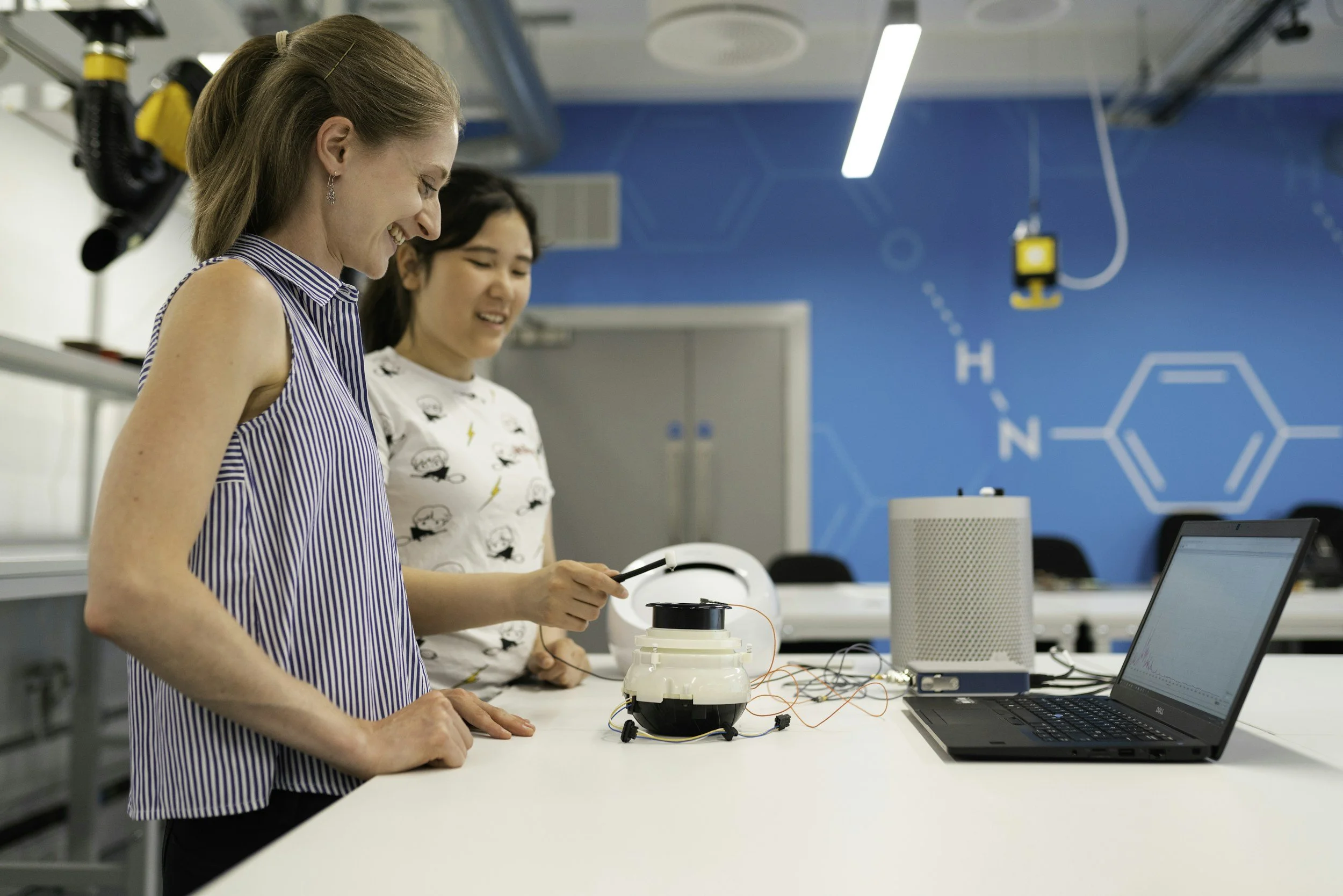
The Latest Feature
The Latest Feature
Slow reports on art, materials, and the systems behind them.
We publish monthly or bi-monthly long-form features and research notes.
We prioritise verification, context, and material evidence over speed.
Every story is built to be cited: sources, credits, and disclosures included.
What Does a Material Remember?
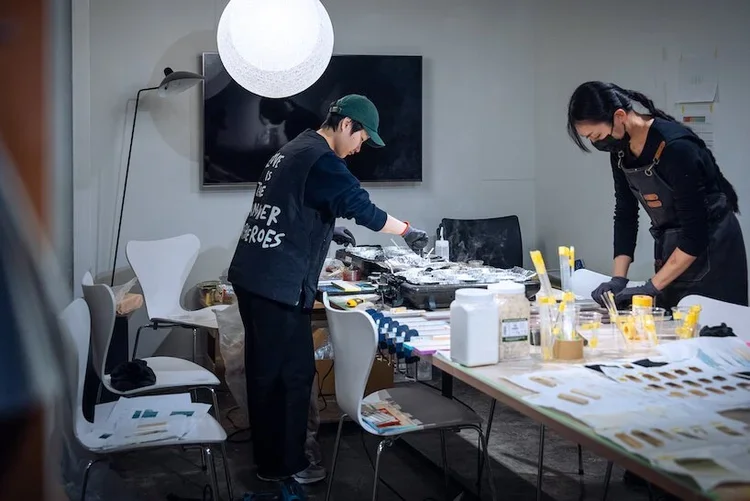
Memory is not only kept in images or written records. It can sit in a pigment grain, a charred stake, a strand of wire, a crochet loop, or an algae-derived colour that shifts our assumptions about dye. This August article reads material memory through Rino and Kaito Tokito, Mathieu Nouhen, we+, and Amy Hsu Tzu Chen.
Rather than treating memory as nostalgia, it asks how matter records pressure, heat, growth, collaboration and handling, and how those records change what an artwork or material can ask of the body.
Surfaces That Teach the Hand
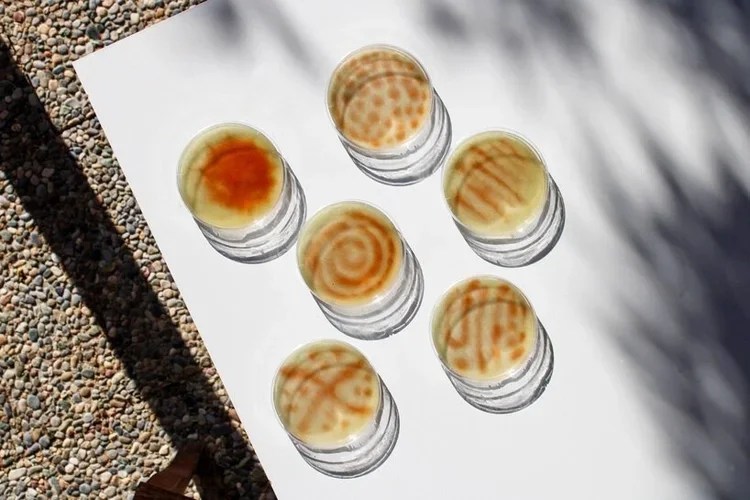
A polished ring asks to be read as a mirror. A bamboo stool appears fuzzy before it proves its strength. A ceramic glaze carries stone dust back into touch. A bio-wrap protects soap only long enough to loosen into water.
This July article looks at surface as instruction: the place where material, perception and use first meet. Through Airy Chen, Arashi Abe, Studio Peipei and Alara Ertenu, it asks how skins, coatings, fibres and membranes train the body to understand value, care, fragility and trust.
How to Read a Leftover
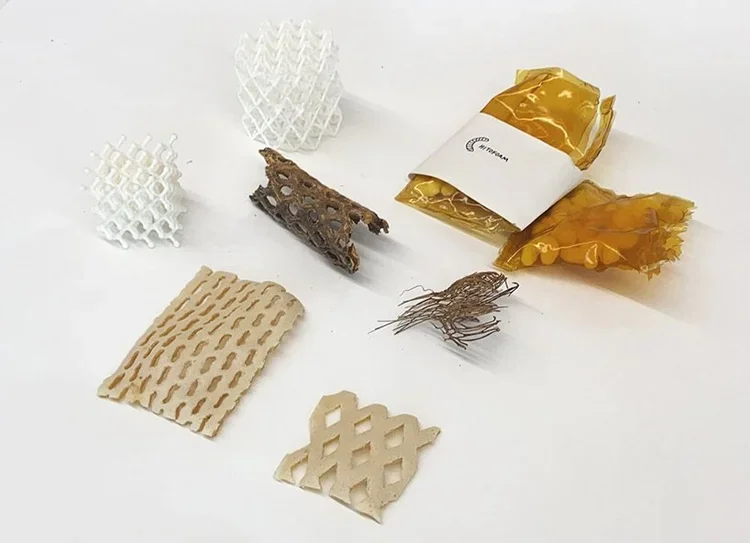
Begin with the thing that seems to have fallen out of use: a loose brick, a recovered plank, a discarded garment, an insect shell. None is neutral. Each carries a former purpose, a handling history and a question about what it can still be asked to do.
Through Mingze Zhang, Estudio Cavernas, Clarisse Merlet, and Charlotte Bohning with Mary Lempres, this article reads leftover matter as evidence. It asks how usefulness is made through perception, testing, maintenance and context, rather than through the optimistic language of reuse alone.