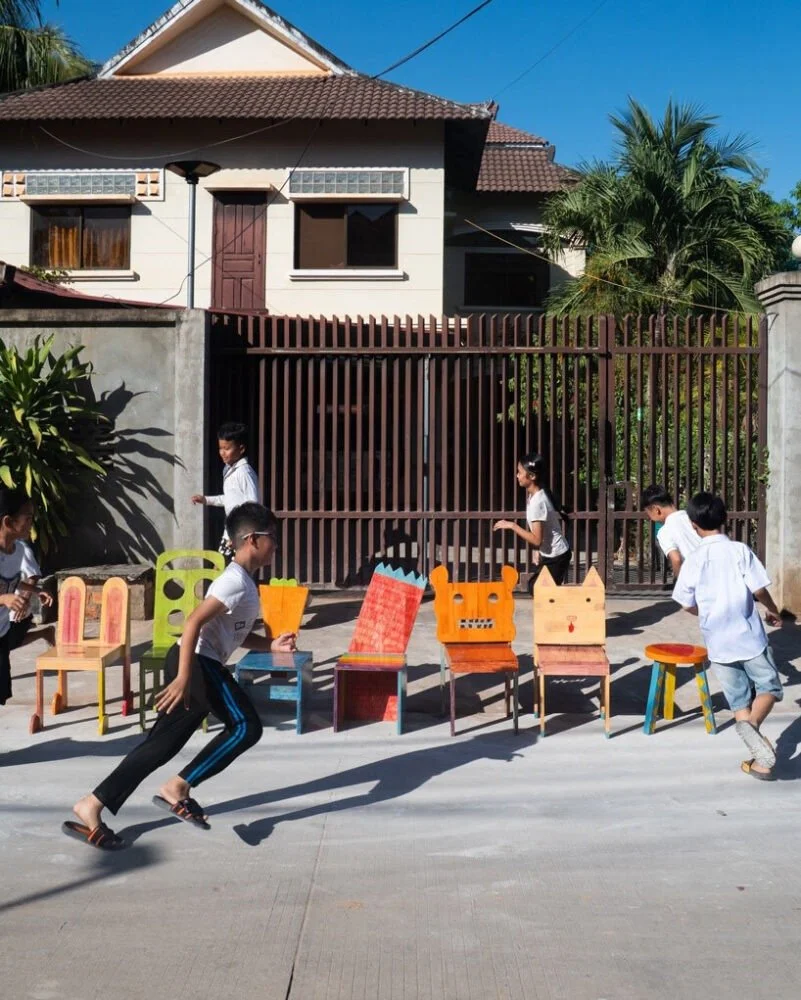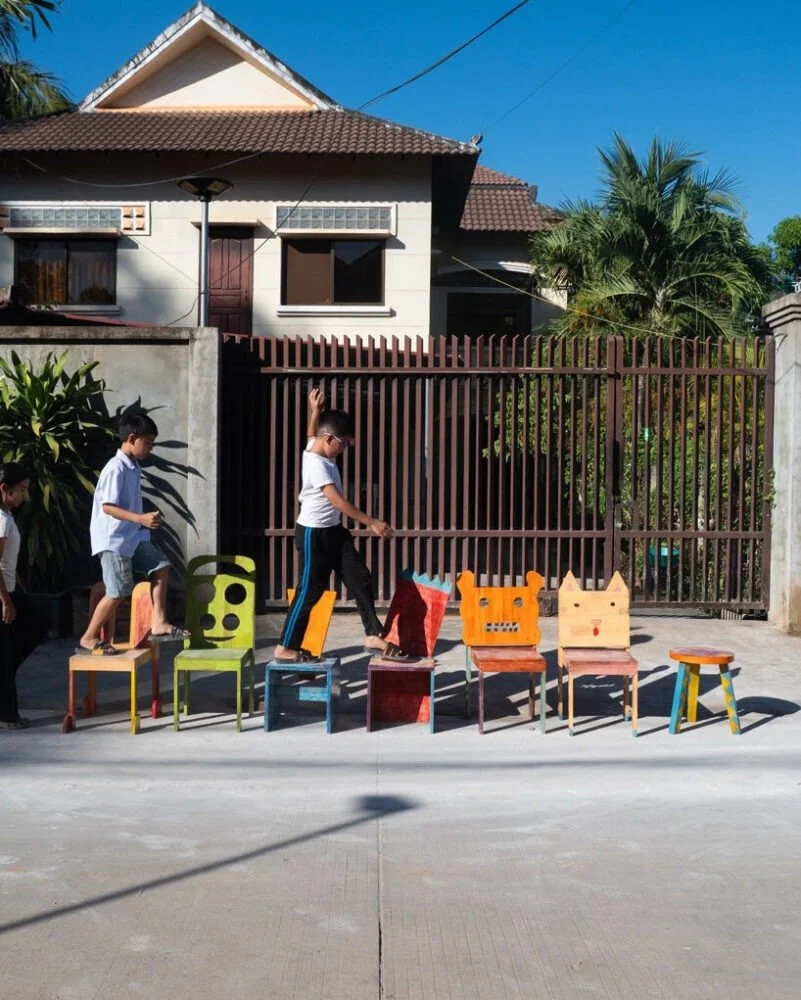
Chair for Kids transforms children’s drawings into functional wooden seating through a collaborative workshop in Siem Reap. Taekhan Yun guides students from sketching and body measurement to clay modelling and finishing, treating imagination as design authority. The project frames furniture not as an adult prescription but as shared, embodied authorship.
Chair for Kids
“Children’s drawings become furniture, joining imagination, measurement, craft, and agency”
July 01, 2026
Connetion : +91147
Shares : 5452
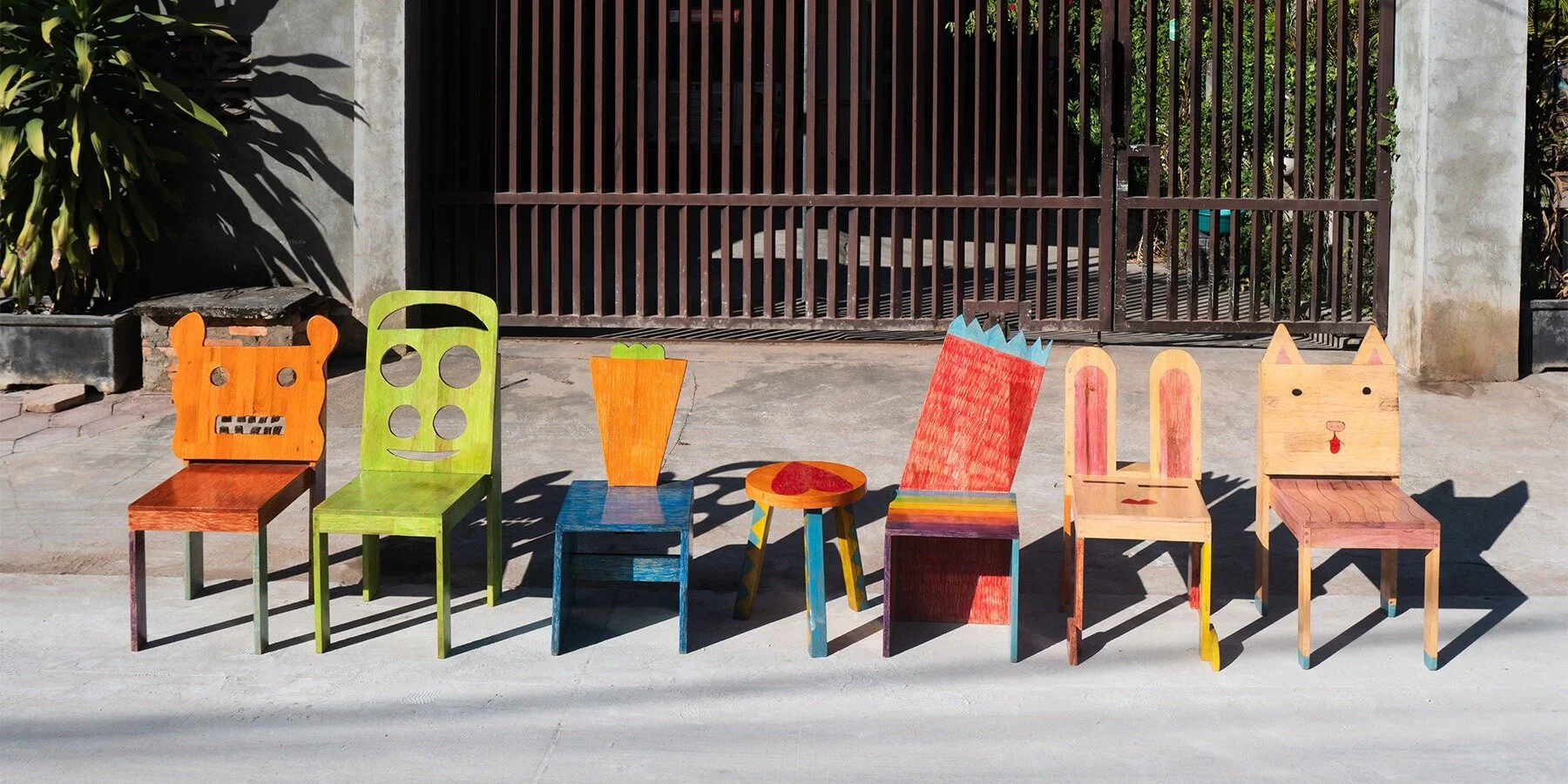
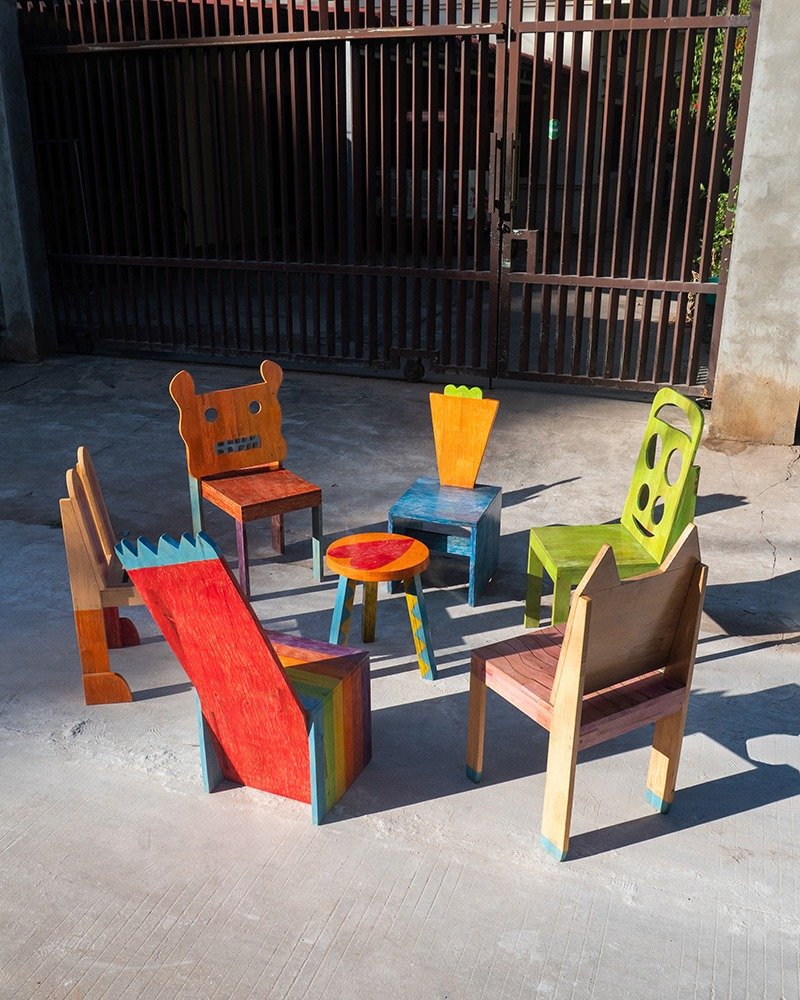
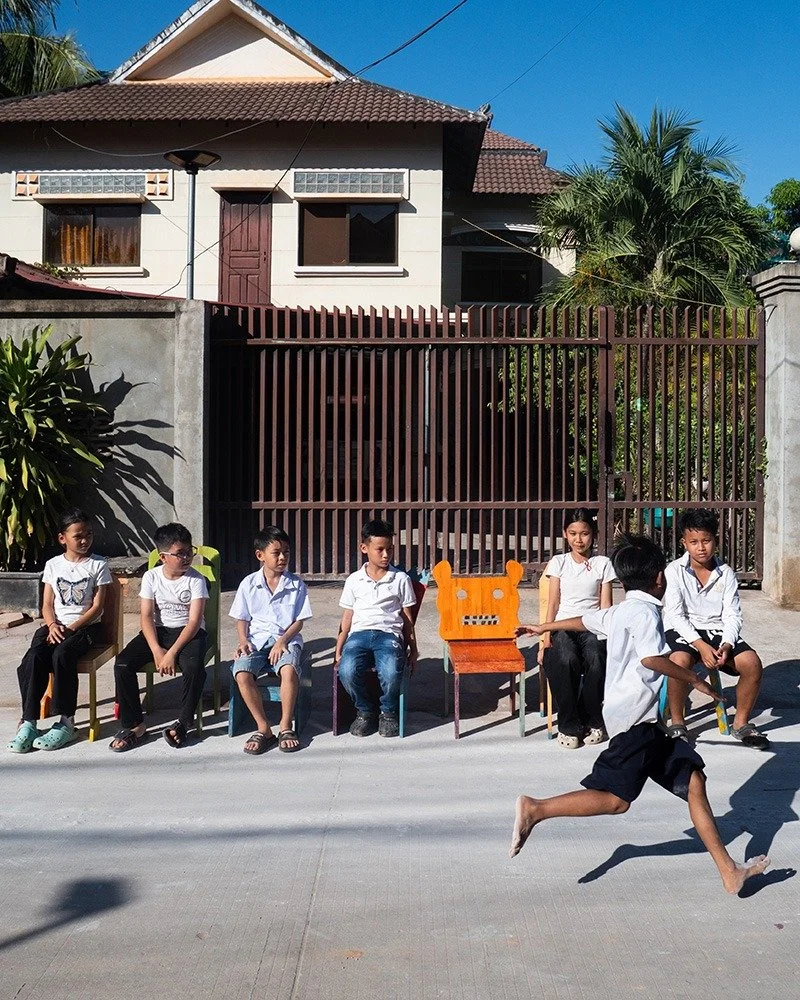
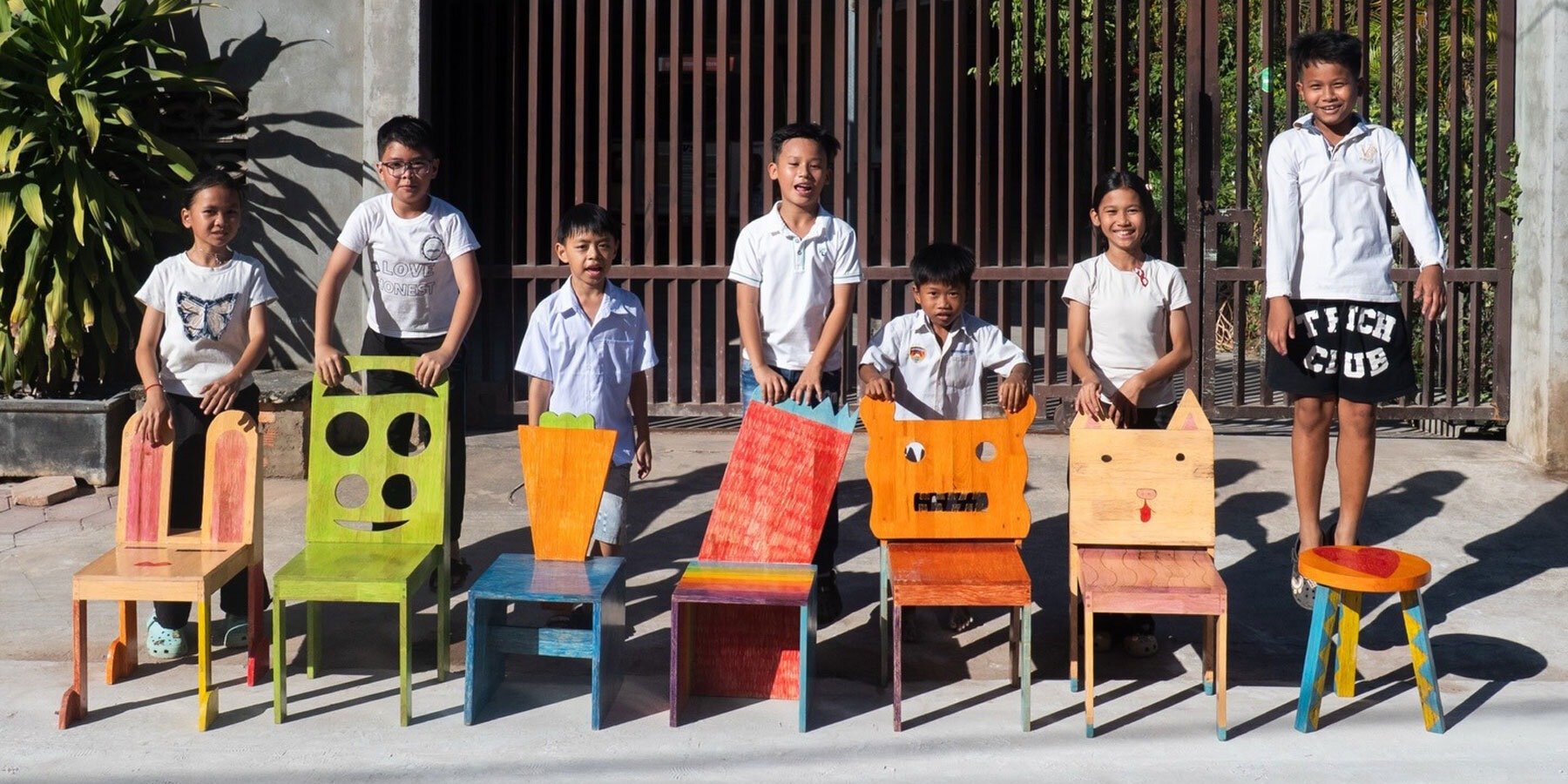
The chairs appear as a gathering of lines, tilted backs, uneven legs, and surfaces lifted directly from a page. Up close, their weight becomes clear: timber replaces pencil, joints hold silhouettes upright, and varnish fixes every crayon-like gesture into use. The encounter produces a confrontation between imaginative freedom and material discipline. This is not fantasy or function, but fantasy and function mutually generating each other. Taekhan Yun frames the child’s drawing as an instruction rather than an image, and he argues that design becomes more equitable when children are treated as authors of objects that organise their bodies.
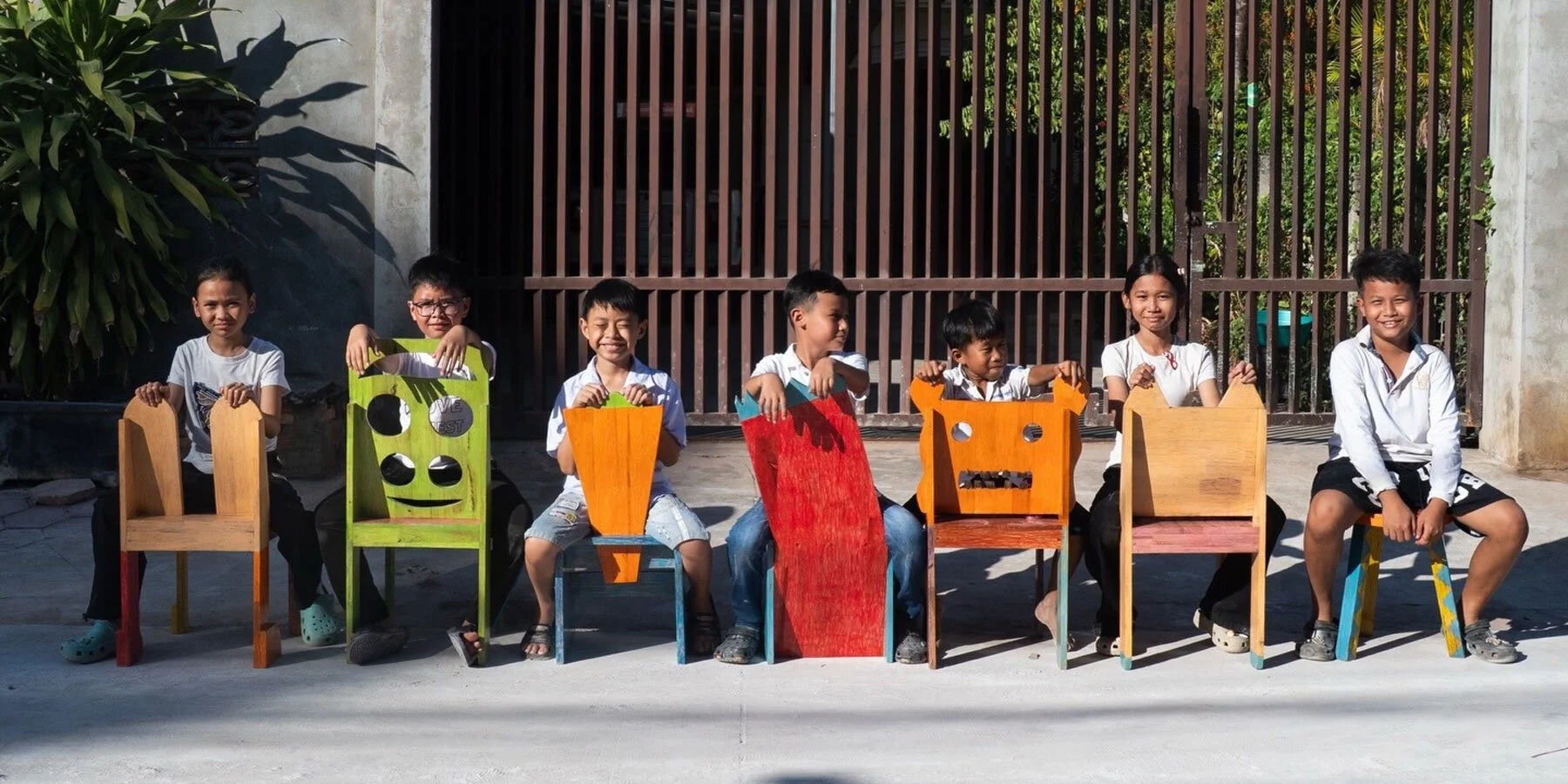
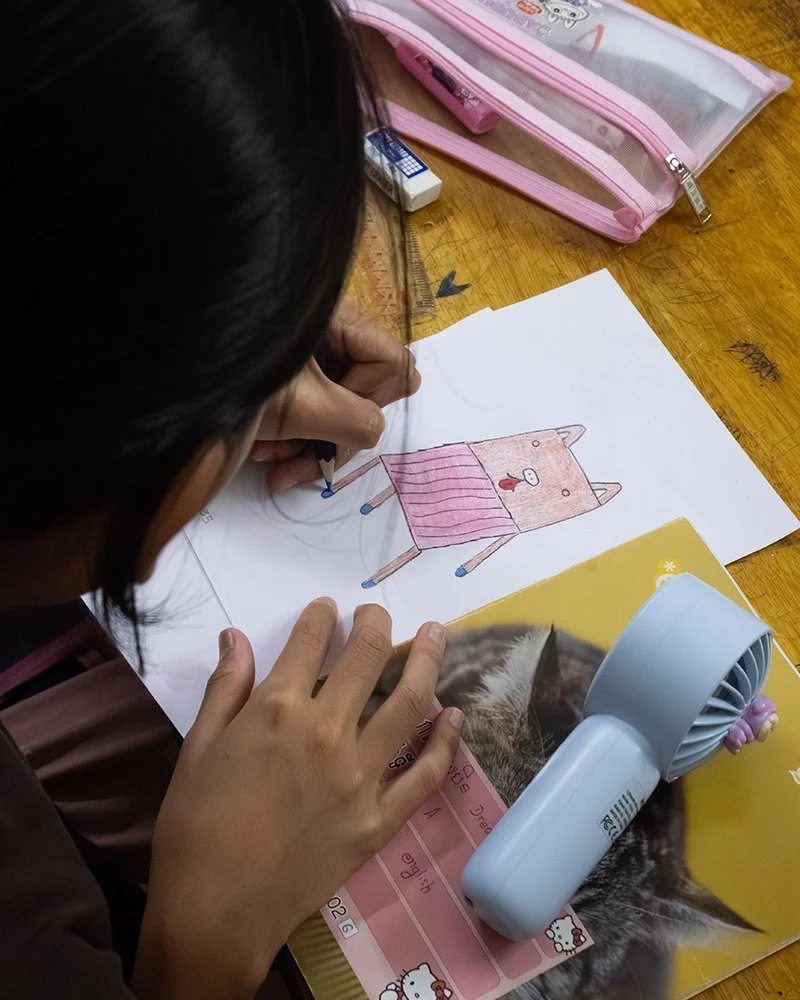
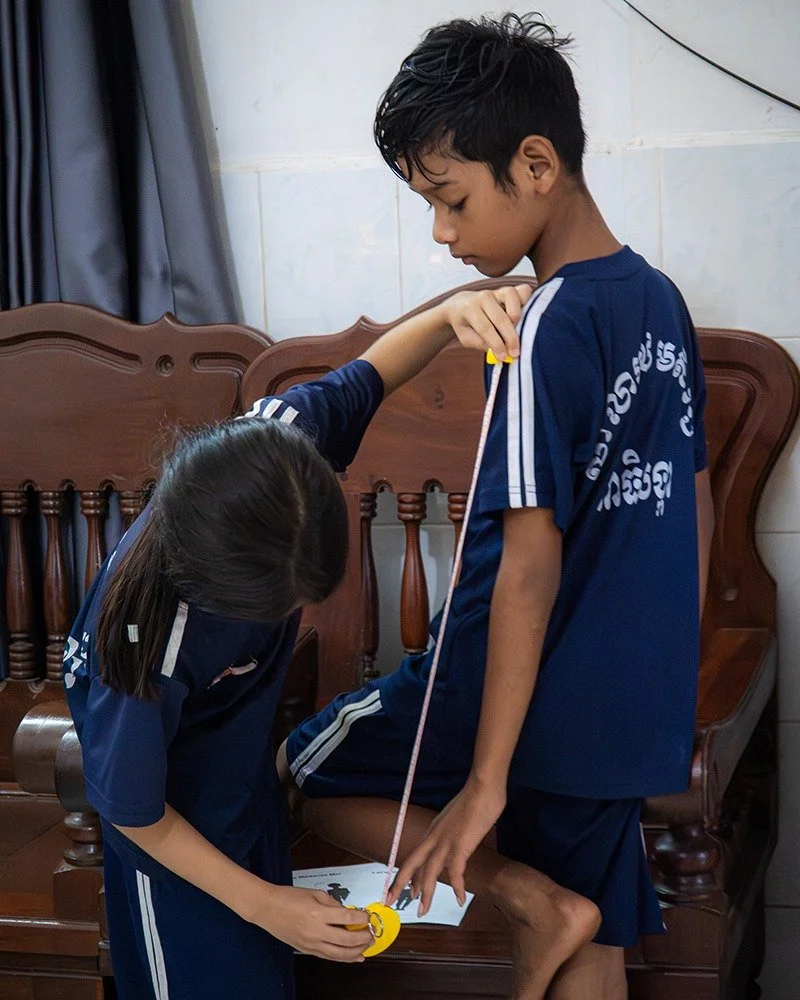
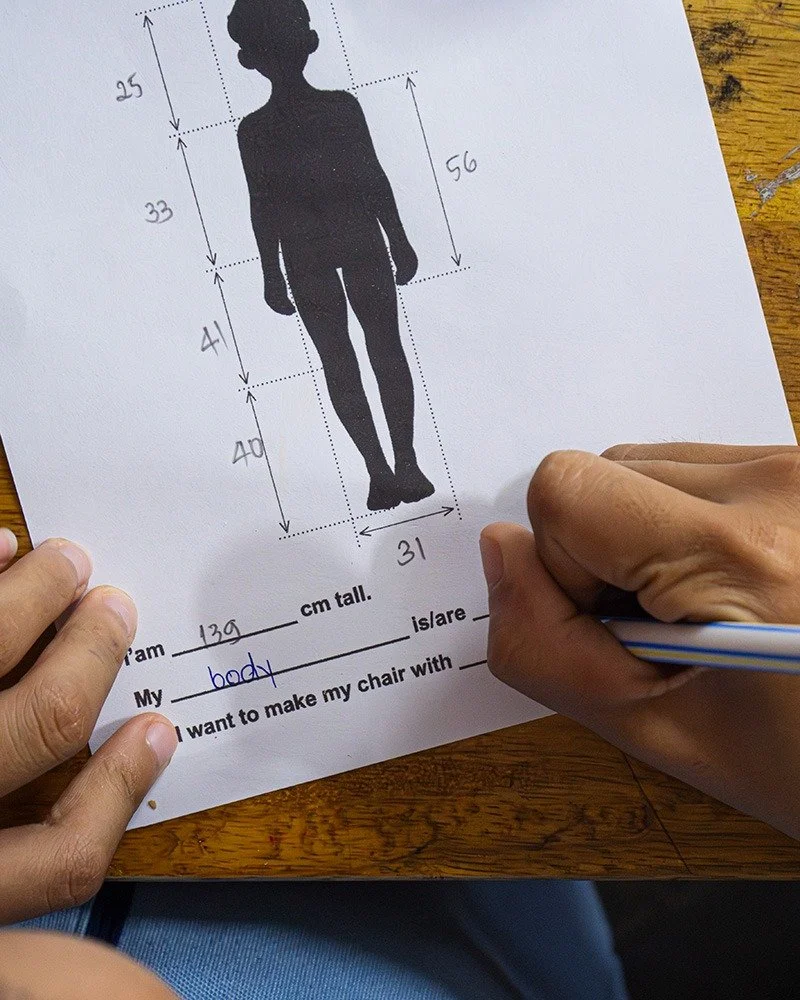
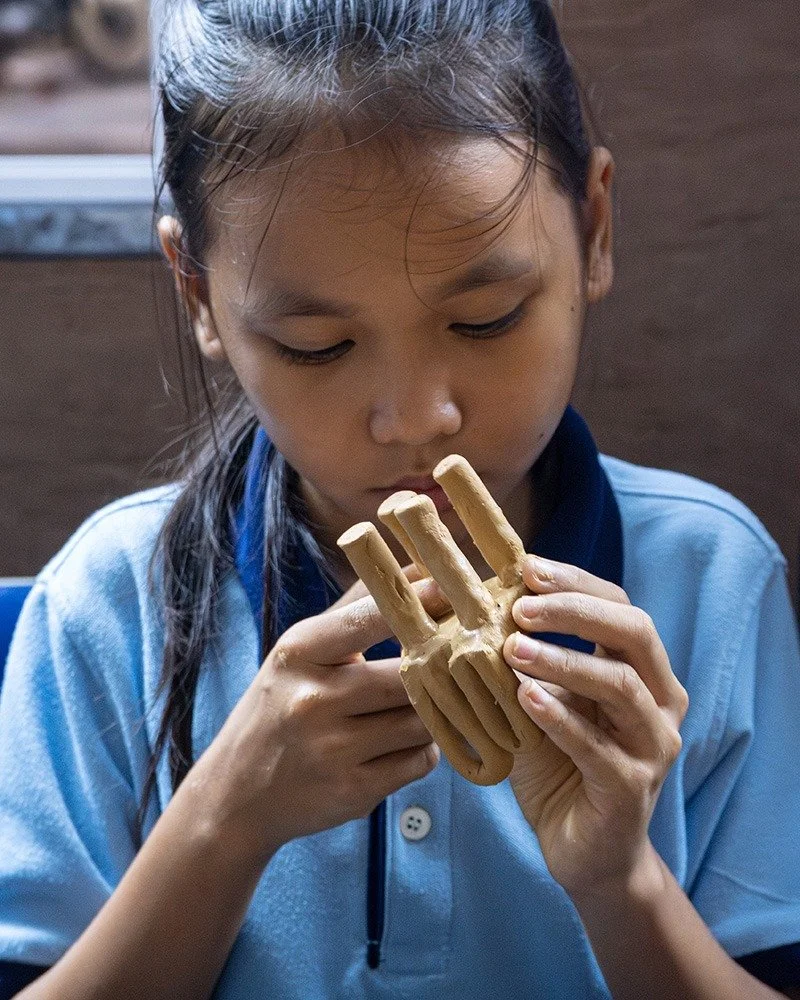
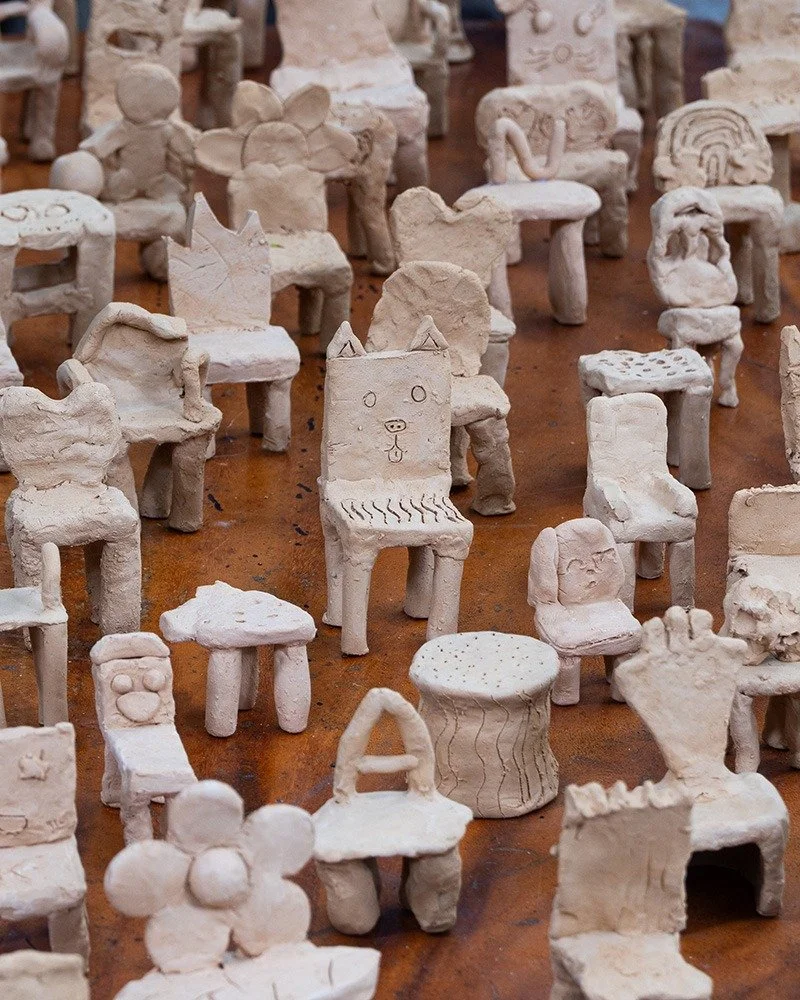
Developed with students at an English school in Siem Reap, Cambodia, Chair for Kids begins with coloured-pencil drawings of chairs and stools. The children then measure their bodies, translating reach, sitting height, width, and comfort into design criteria. Yun does not use measurement to correct imagination; he uses it to give imagination consequence. Clay models introduce knowledge, allowing forms to be squeezed, balanced, thickened, and tested through touch. The method moves from line to volume, and from invention to construction. As the children draw, measure, and model, their bodies become evidence within the process, tightening the tension between unruly invention and functional responsibility.
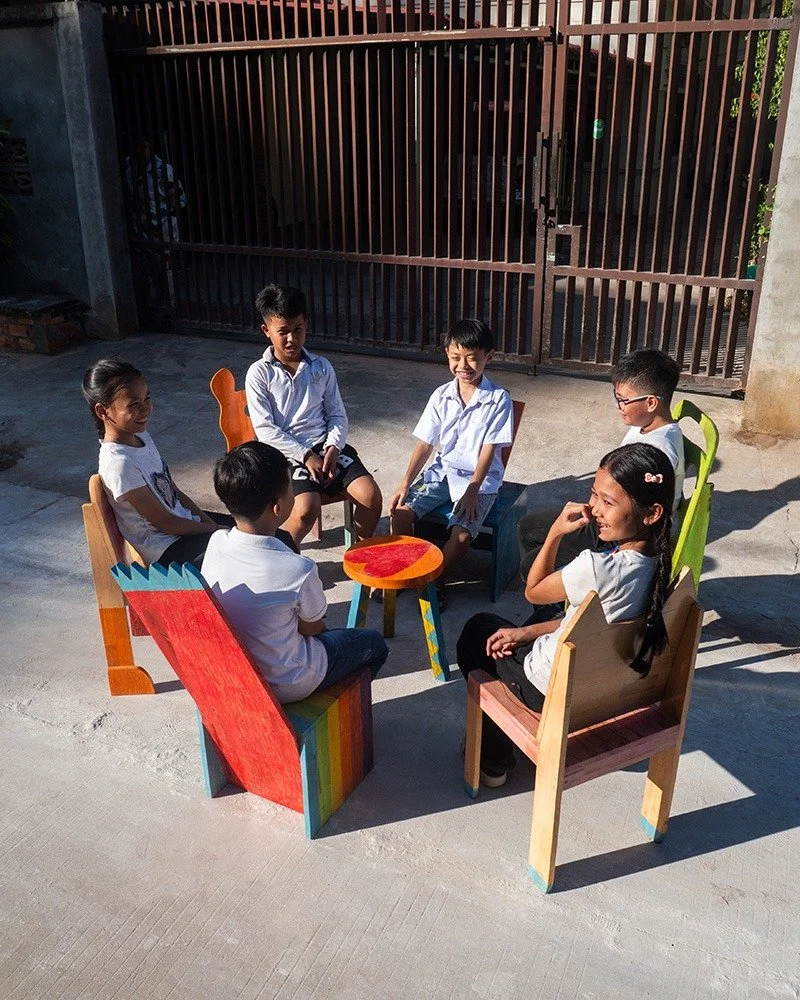
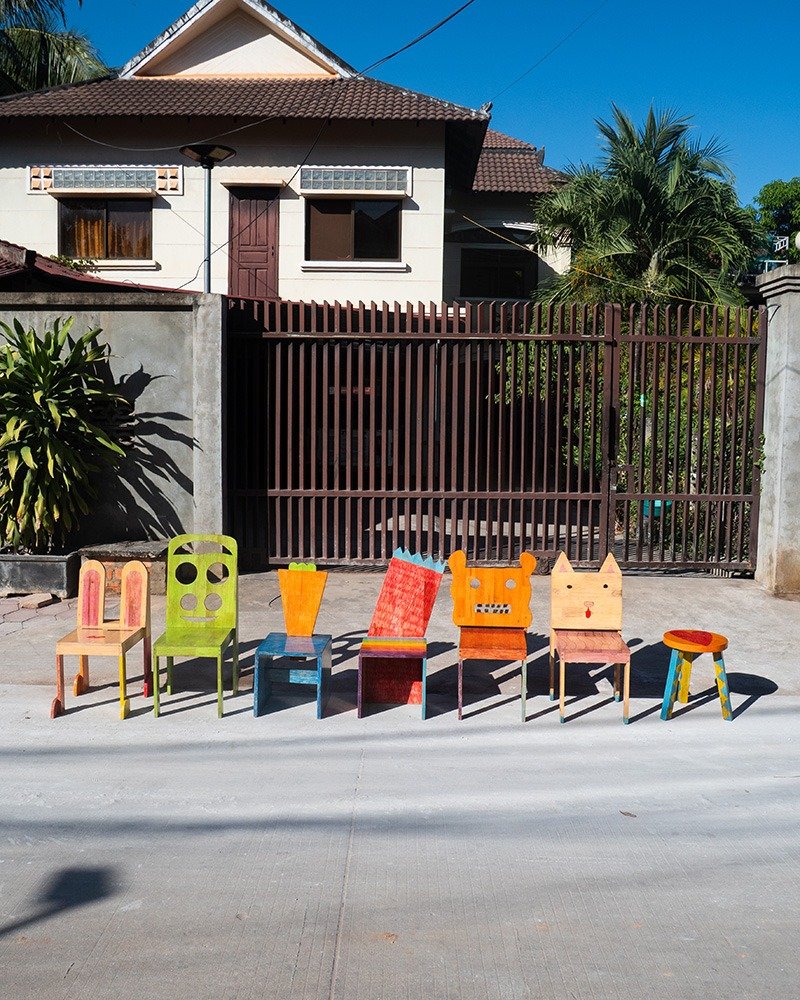
The objects are handmade in wood, yet preserve the abrupt angles, oversized features, and playful asymmetries of the sketches. Crayon, acrylic lacquer, and varnish turn each surface into both finish and testimony. The chairs occupy space like sculptures: some lean, some flare outward, and others hover between creature, character, and furniture. Their behaviour changes the viewer’s body. Adults must look downward, bend closer, or imagine sitting at a scale not their own, while children encounter furniture calibrated to them. What appears playful becomes political: the work reveals how objects enforce assumptions about whose body counts.
Chair for Kids proposes participation not as decoration, but as authorship supported by craft. Yun converts drawings faithfully enough to protect their strangeness, while applying structural judgment to make them usable. That balance prevents the project from romanticising spontaneity or reducing design to technical correction. Instead, it shows how making can become a form of listening. The chair is at once a seat, a portrait, and a record of a child discovering that an idea can bear weight. Returning to the first impression of coloured lines made solid, the project rests on a tangible boundary: the varnished surface where drawing meets timber.
Taekhan Yun
Taekhan Yun is a Korean designer whose practice moves between object-making, storytelling, education, and participatory research. Born in Seoul, educated in design in France, and currently based in Cambodia, he has developed an adaptable approach shaped by movement between cultural settings. Rather than maintaining a fixed visual signature, he responds to the people, materials, and circumstances surrounding each project.
His work examines the tension between precision and improvisation. Yun has described a practice pulled between the desire to produce resolved, aesthetically controlled objects and a commitment to preserving handwork, material honesty, accident, and imperfection. That contradiction gives his furniture a narrative quality: objects do not perform functions but carry traces of encounters, memories, repairs, and collaborative decisions.
Chair for Kids makes this position clear. Developed with students at an English school in Siem Reap, the project invited around seventy children to draw, measure, model, and imagine seating for their own bodies. Yun translated proposals into wooden chairs while retaining their unusual proportions and expressive character. The process shifted authority away from the professional designer and toward children whose ideas are corrected before they are tested.
Yun has extended this participatory direction through Birdhouse by Kids and has expressed plans to take workshops internationally, including collaborations across cultural and social contexts. His practice treats design less as the production of a signature object than as a structure for attention. Drawing, conversation, and making become methods through which overlooked perceptions can enter space and acquire weight and durability over time.
Taekhan Yun | @taekhannn
Location: Siem Reap, Cambodia
All images courtesy of Taekhan Yun