


The Latest Feature
The Latest Feature
Slow reports on art, materials, and the systems behind them.
We publish monthly or bi-monthly long-form features and research notes.
We prioritise verification, context, and material evidence over speed.
Every story is built to be cited: sources, credits, and disclosures included.
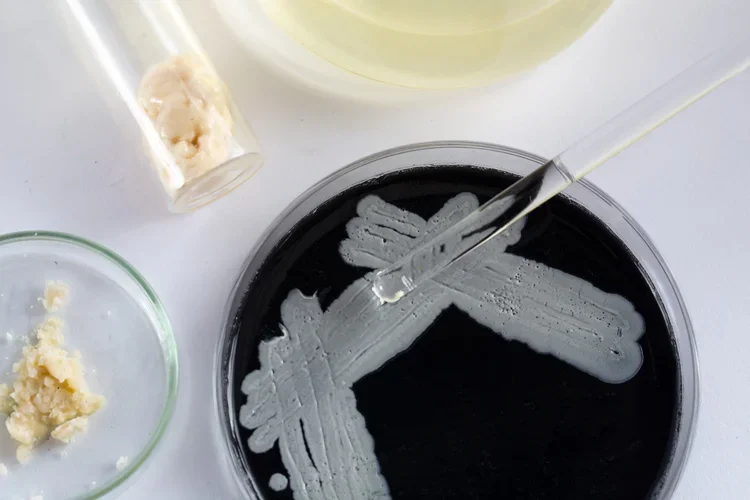
The Right to Rot: How Biomaterials Disrupt the Myth of Eternal Art
It All Begins HerUnder a bell jar in the corner of a gallery, an artwork quietly changes its mind. Mycelium blooms along an edge, bacterial cellulose catches light like skin, and an algae-based bioplastic form slumps near a radiator—as if refusing the museum’s oldest command: stay forever. Biomaterials don’t behave like inert substances; they act like collaborators with their own timelines, moods, and limits. And that behaviour is political.
It insists on a radical idea: the right to rot. Once we accept that an artwork may be designed to grow, soften, mould, and disappear, the myth of permanence begins to collapse. Value can no longer be measured by endurance alone. In a design culture addicted to green gestures, biomaterials also expose the uglier truth: sometimes “saving the planet” becomes just another aesthetic pose. What if the future of art isn’t preservation—but returne.