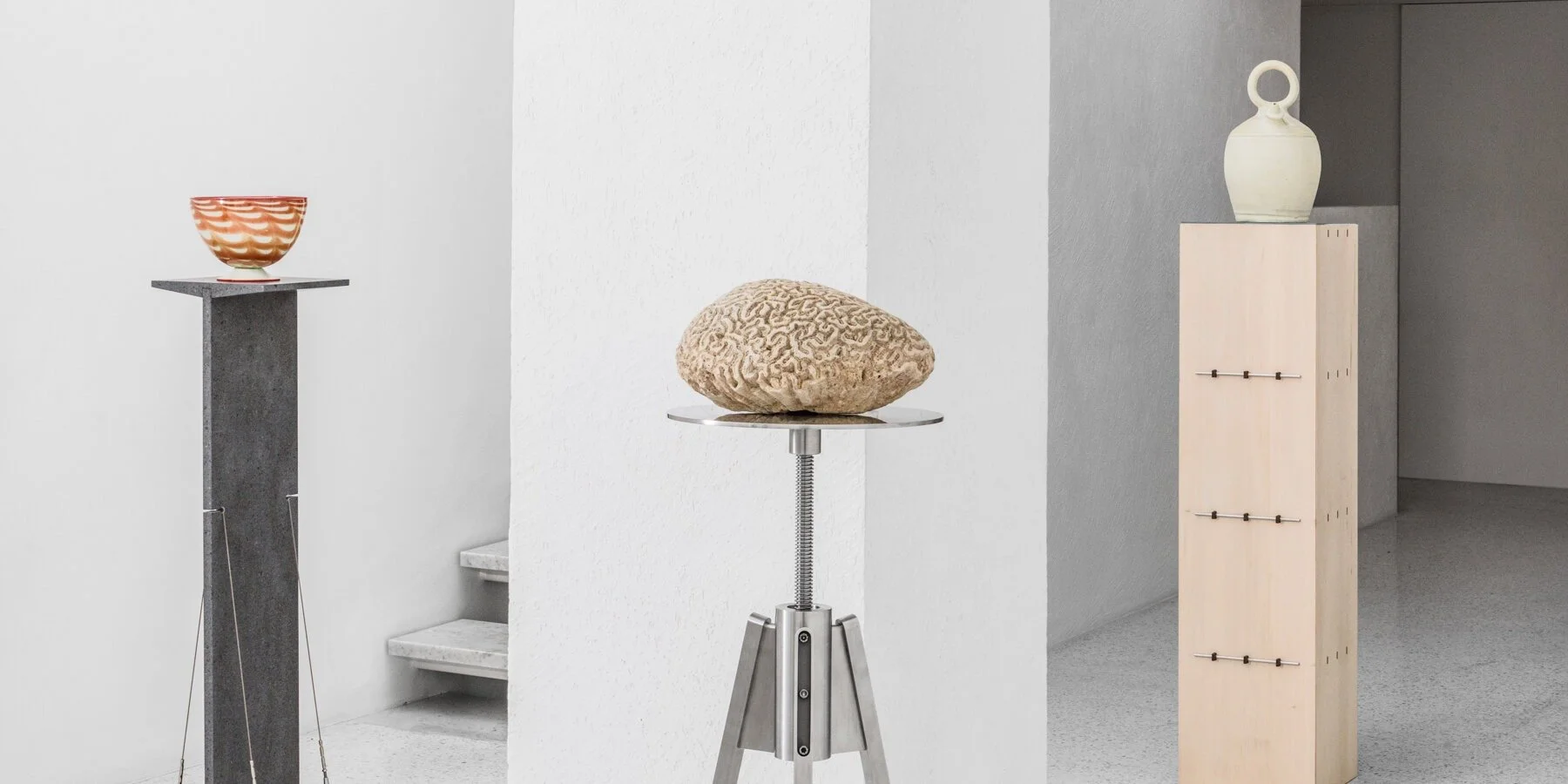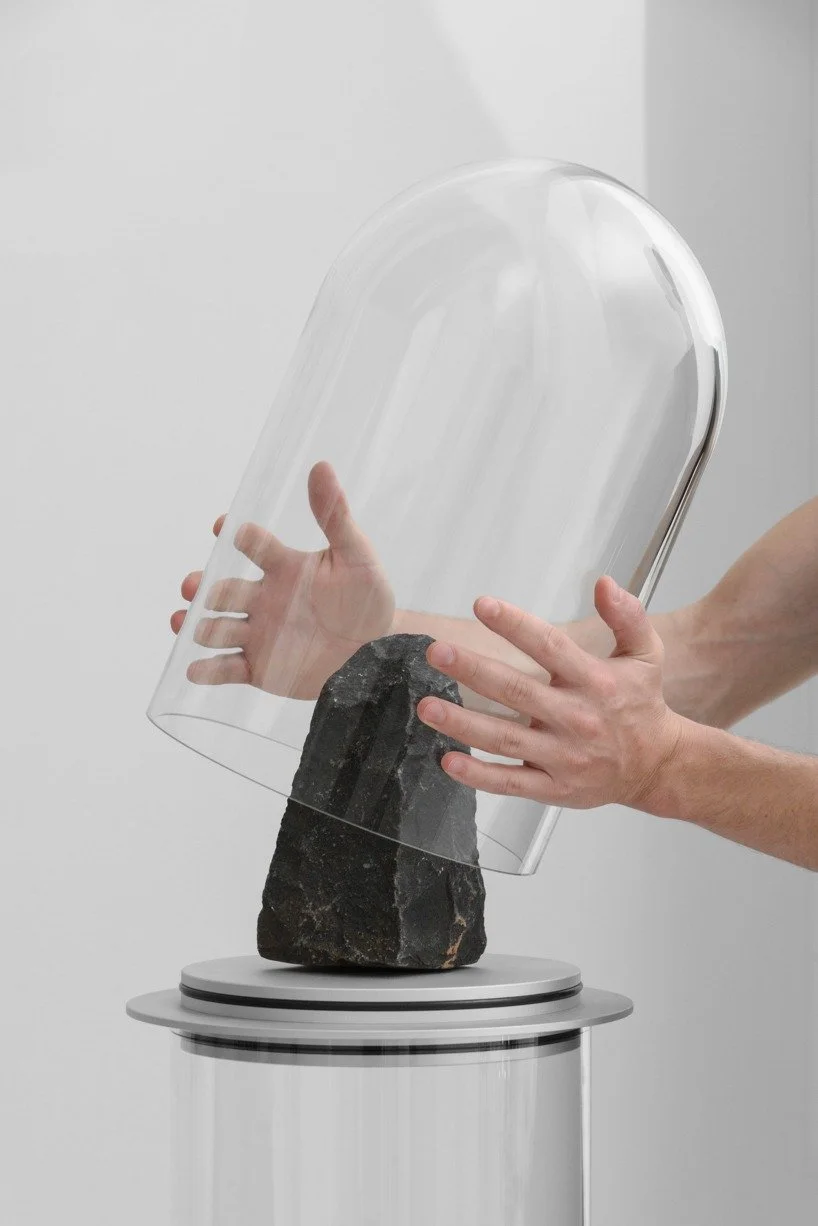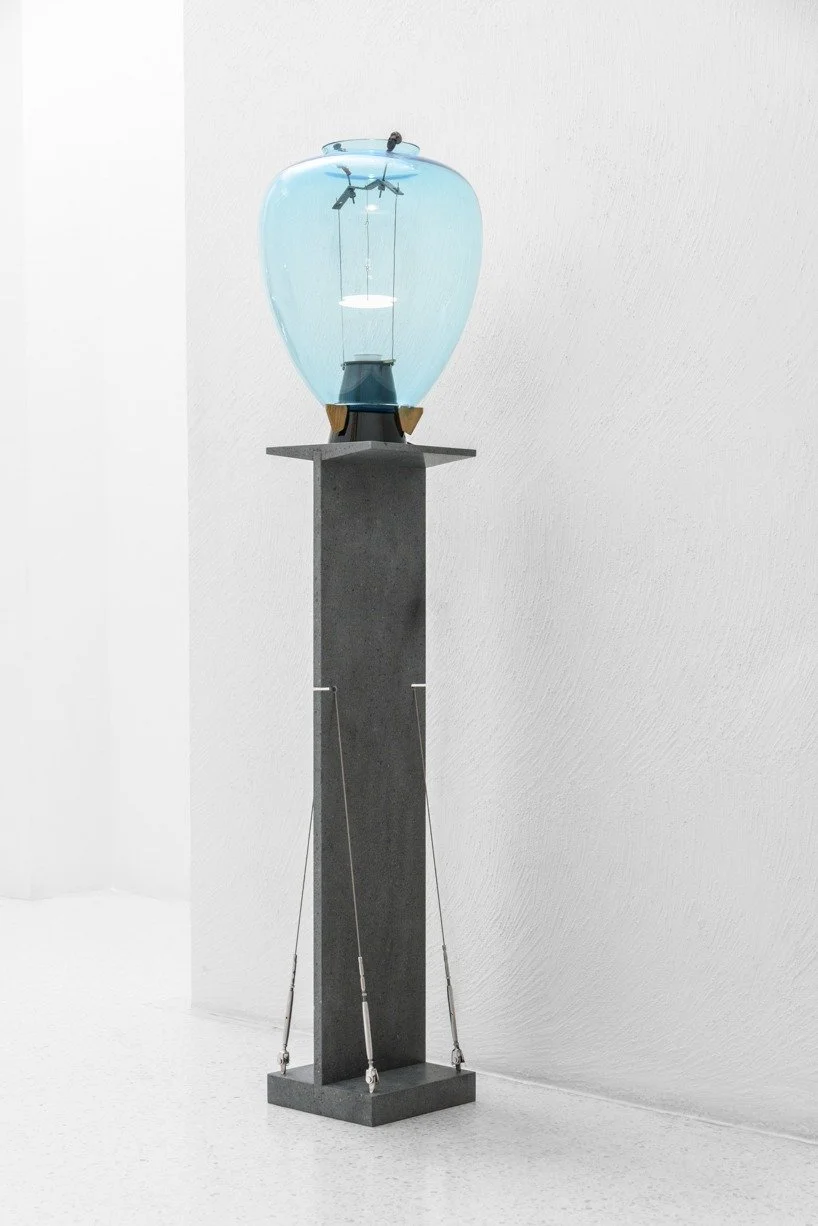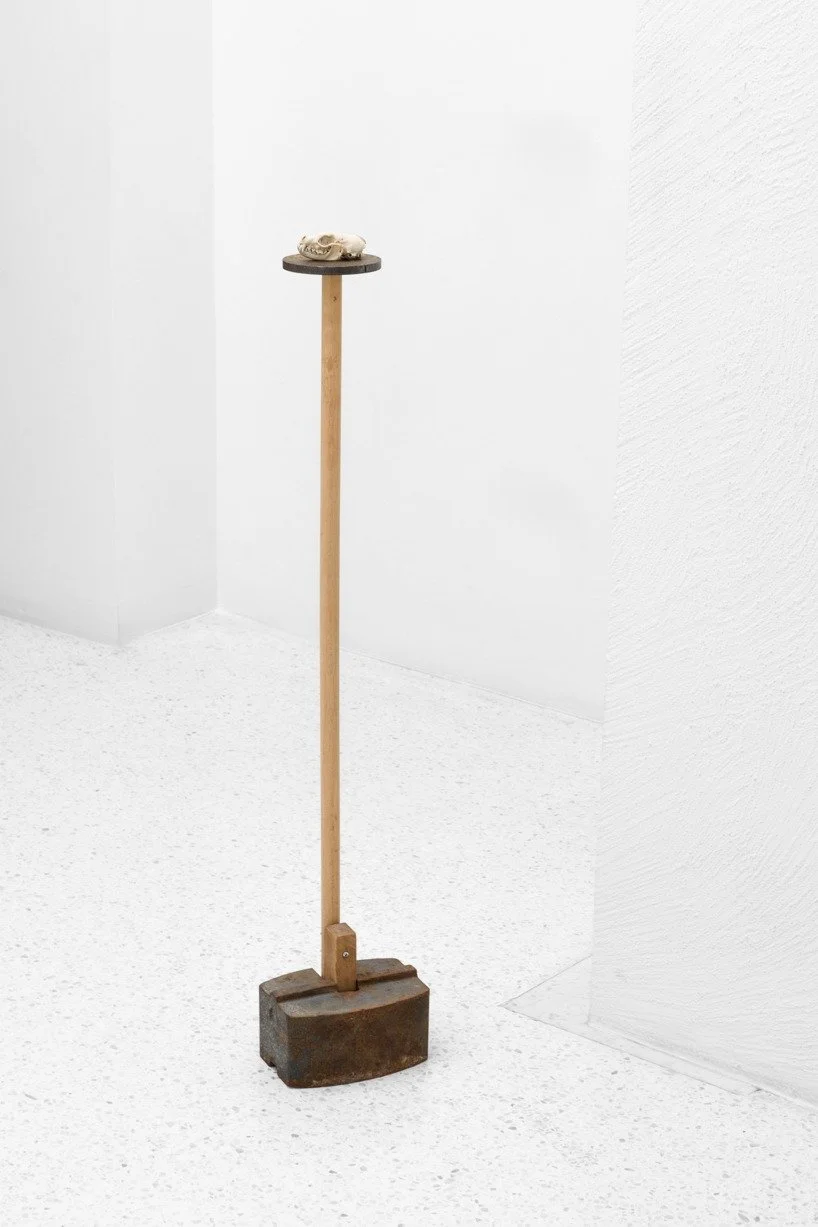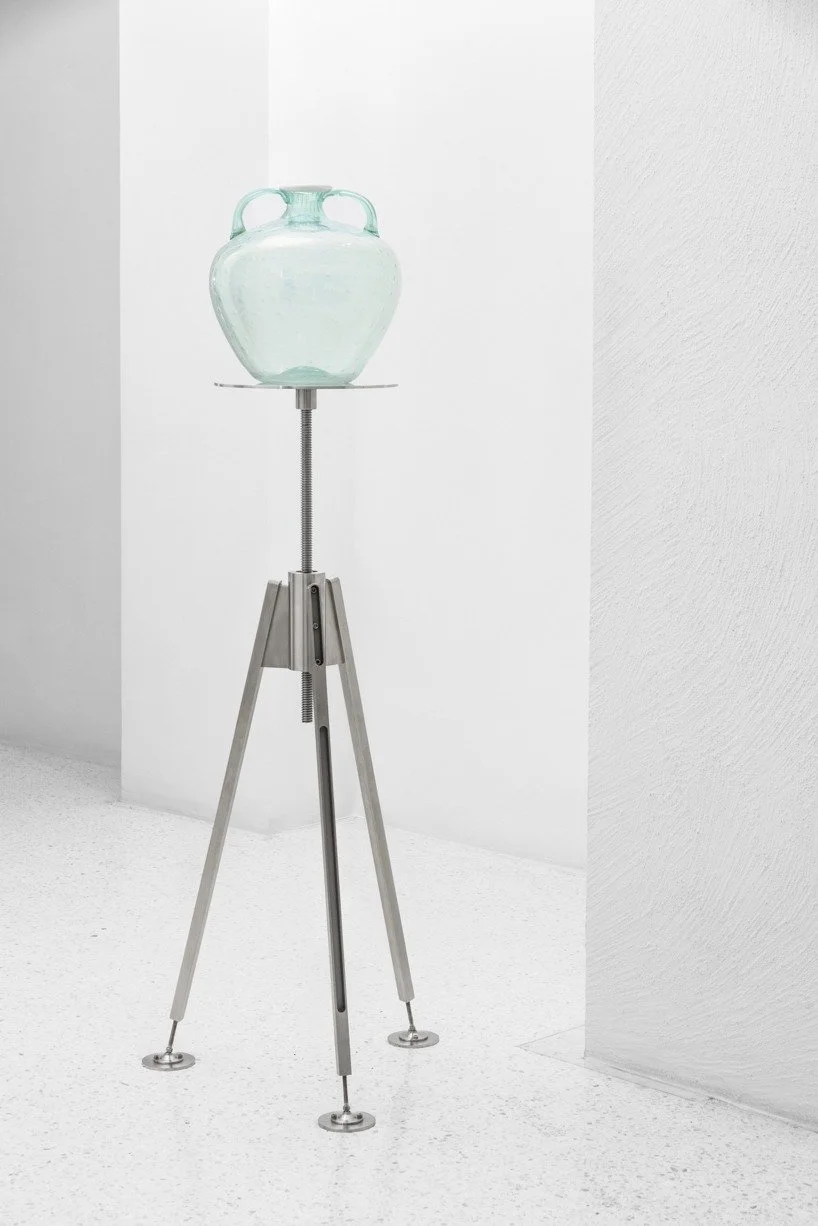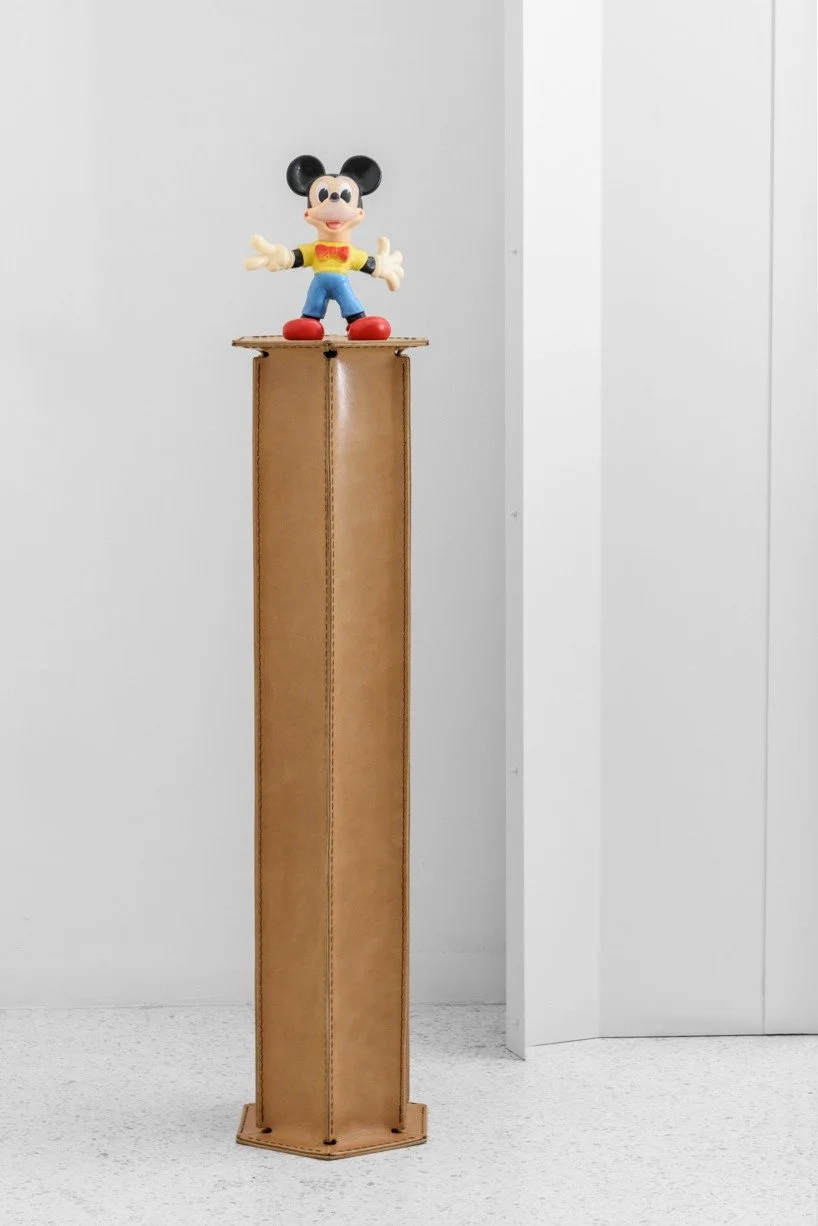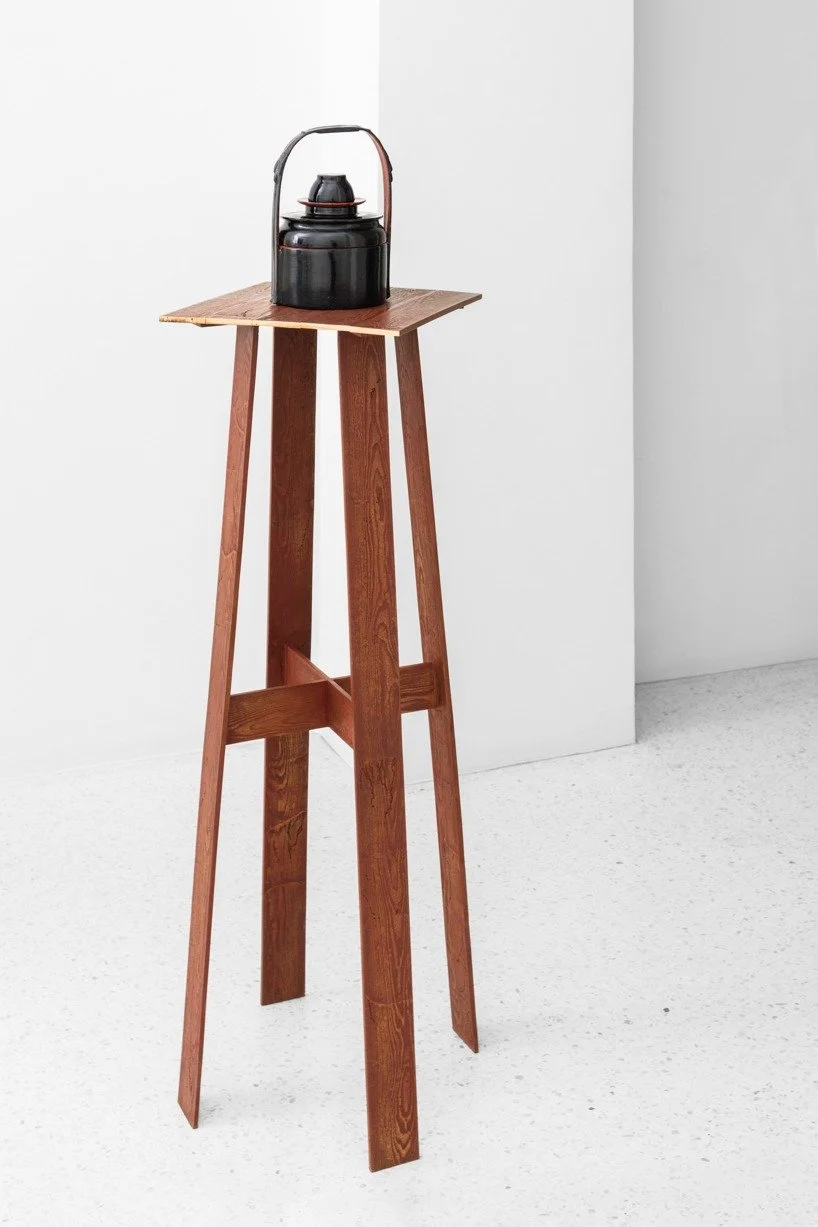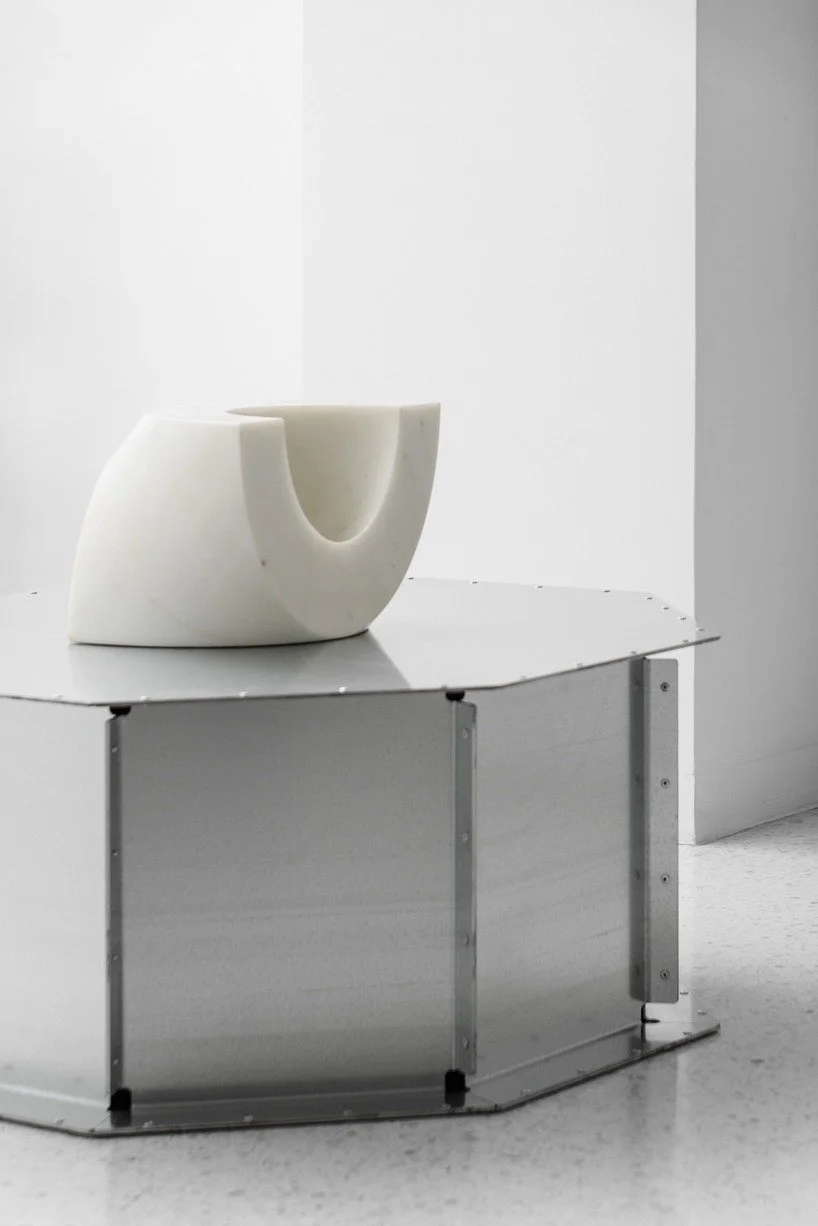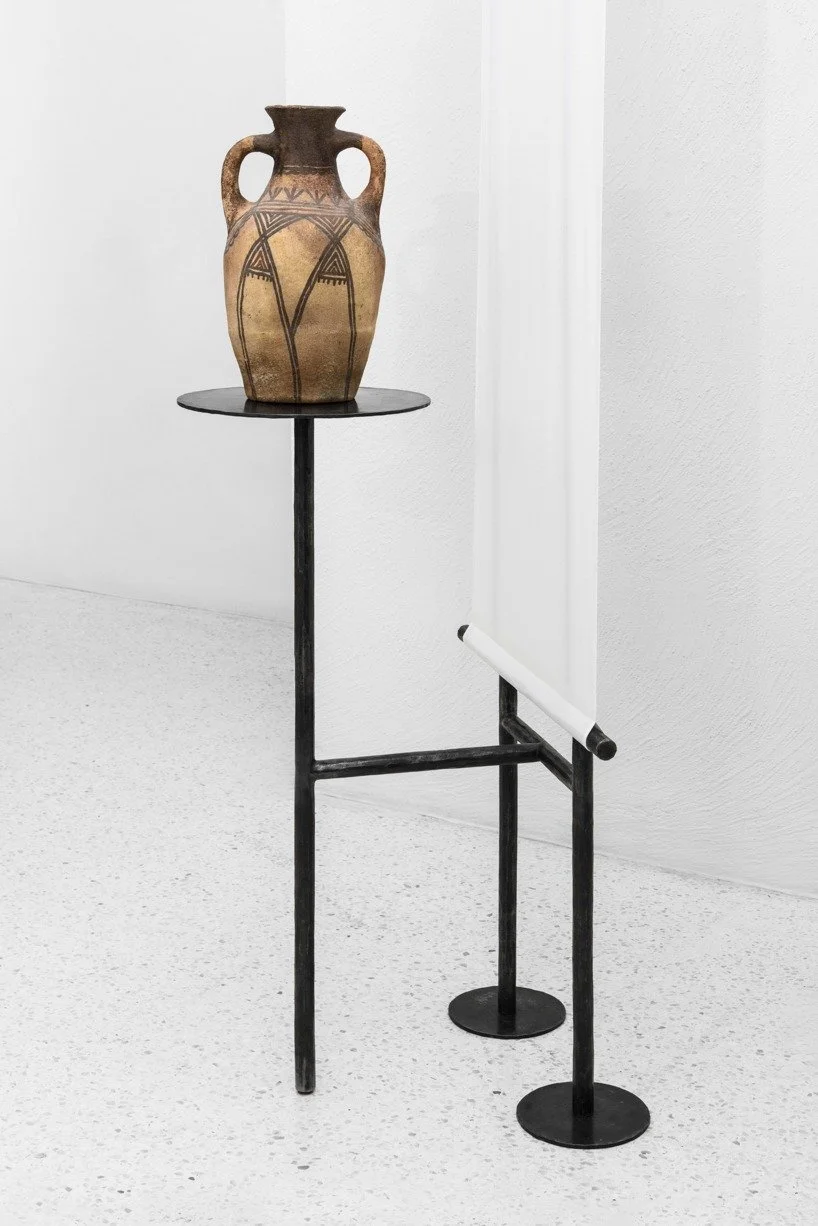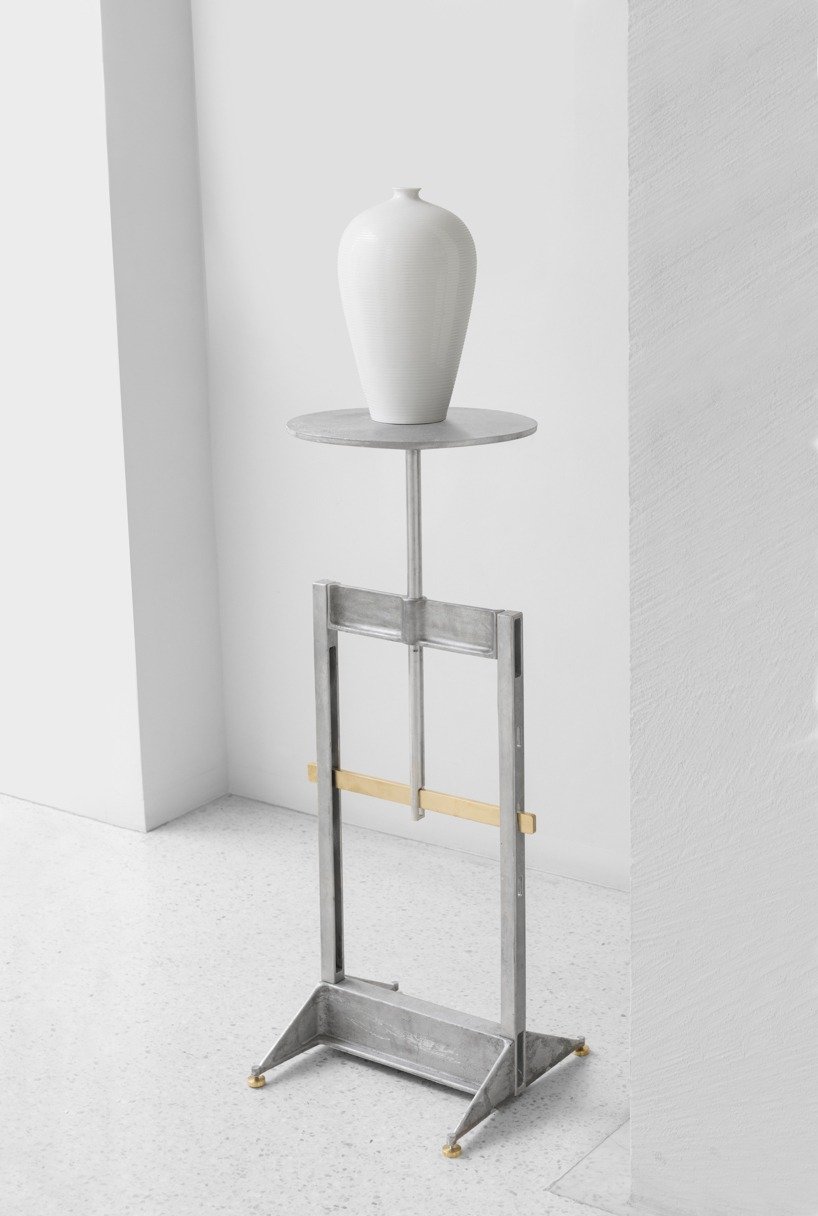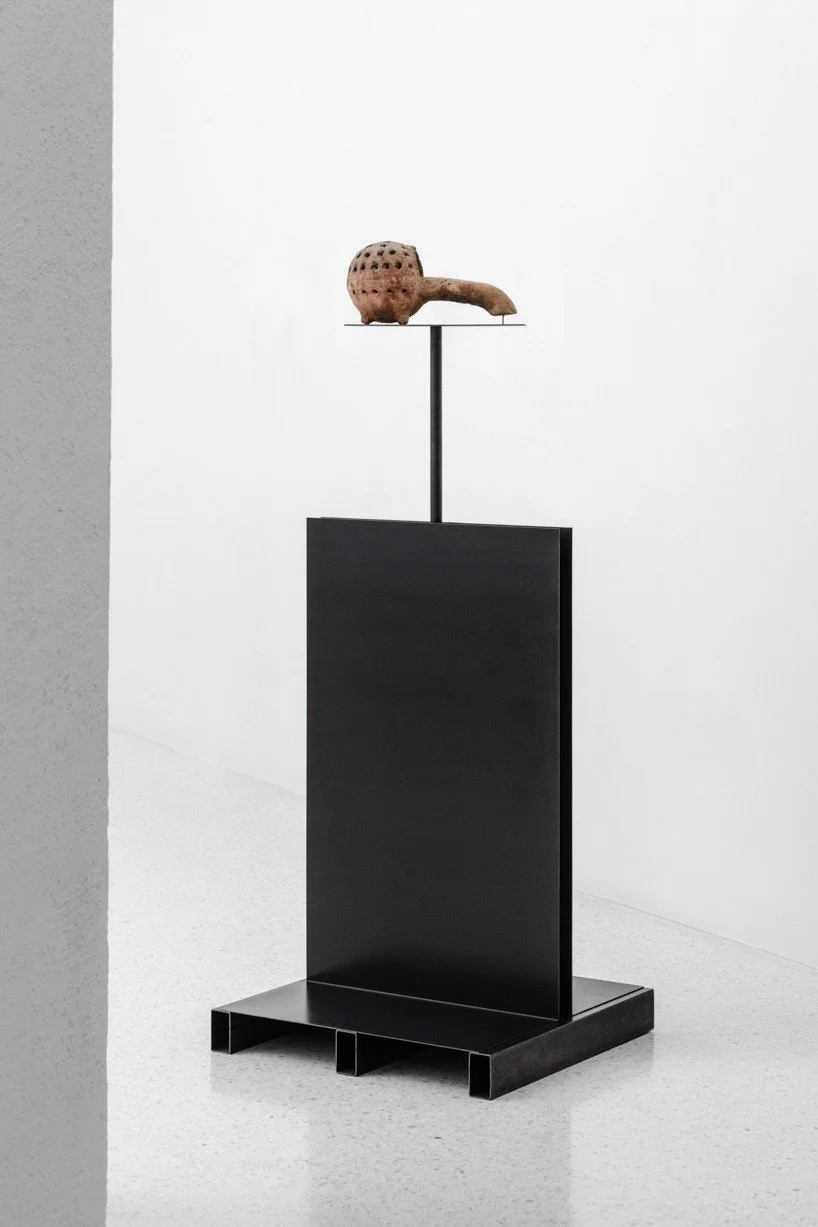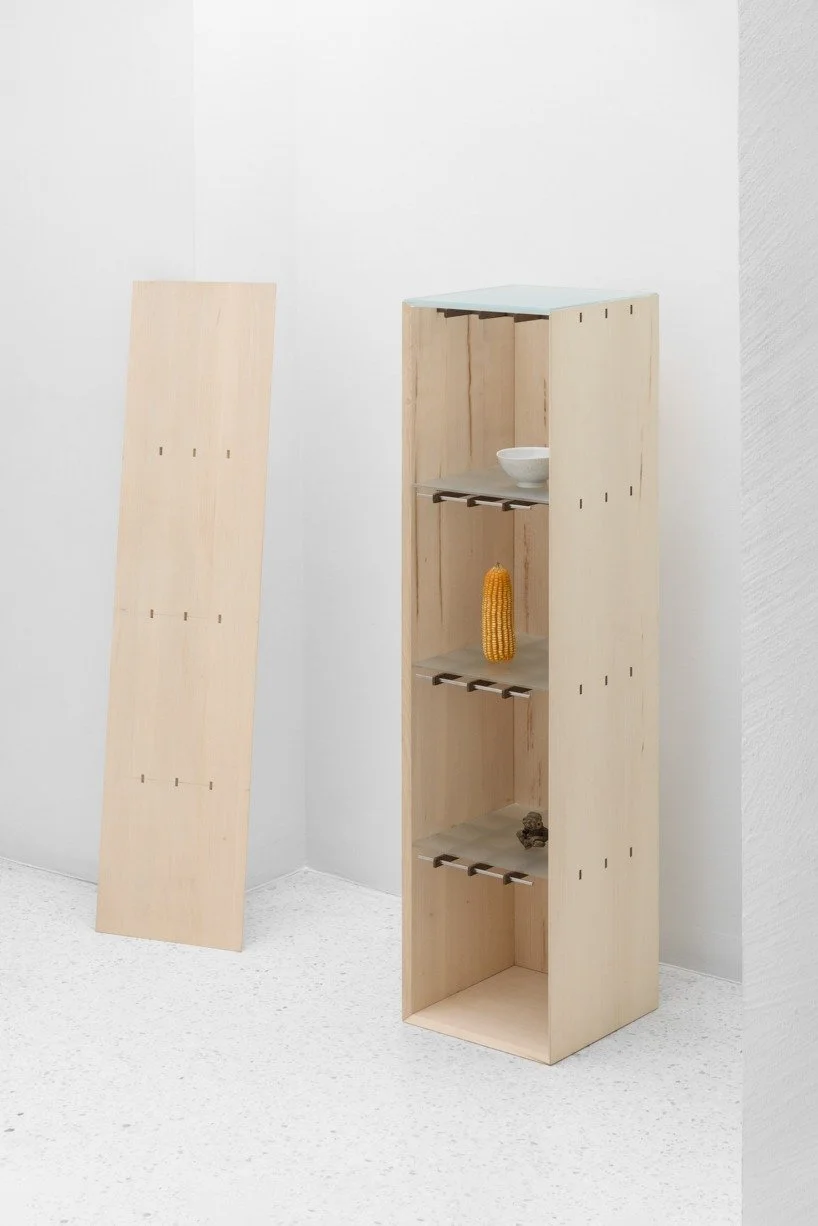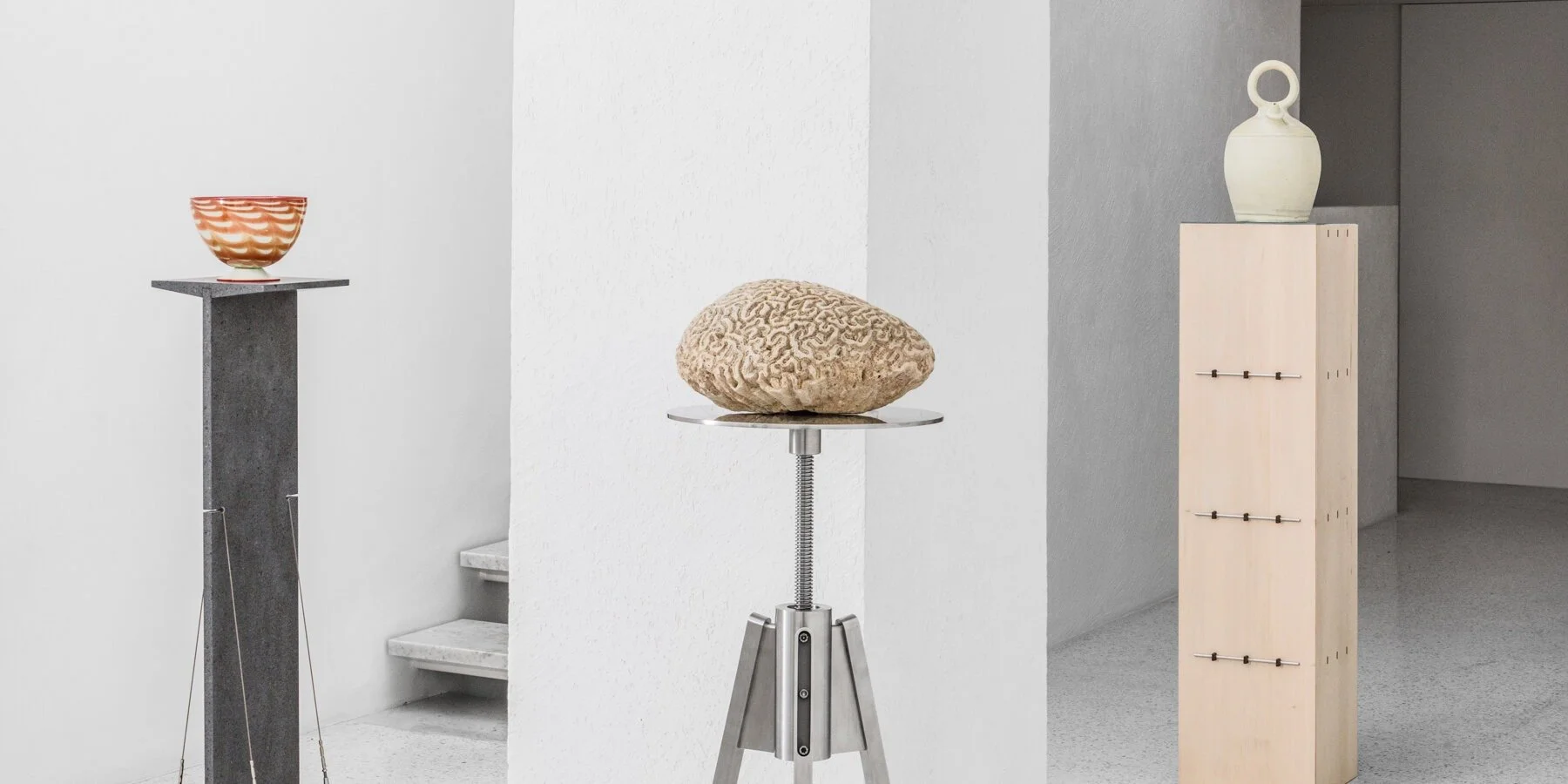
Piedistalli recasts the pedestal as both servant and author of attention. Through the contrasting use of metals, glass, stone, and wood, Francesco Faccin Studio shows how support structures elevate objects, choreograph bodies, and encode value. The collection transforms display furniture into active cultural infrastructure, making overlooked systems once again materially and politically visible.
Piedistalli
“Silent supports become sculptural agents, choreographing attention, value, and movement”
May 22, 2026
Art
Connetion : +54114
Shares : 74215
From across the gallery, slender frames rise like lines drawn into air, while denser volumes hold their ground with architectural weight. Light passes through Pyrex, catches polished metal, and stops against timber or stone. Looking from afar, the supports appear to organise a quiet field of objects; looking up close, joints, surfaces, and changing heights reveal machinery of attention. This is not background or protagonist, but background and protagonist mutually generating each other. Francesco Faccin Studio frames this reversal as a confrontation with display’s hidden authority, and he argues that the pedestal does not merely carry meaning but quietly helps produce it.
Developed for Galleria Giustini/Stagetti, Piedistalli brings together works and investigations spanning more than two decades. Wrought iron is bent into tensile structures; aluminium and bronze are cast into weight-bearing bodies; stainless and galvanised sheet metal become precise planes; Pyrex turns support into a transparent column; maple, ebony, crystal, and Basaltina introduce warmth, opacity, and geological density. These methods do not seek a unified style. Instead, each material behaves differently in space—reflecting, enclosing, suspending, shielding, or exposing the object above. The viewer consequently approaches, retreats, circles, looks down, or tilts the head upward. Support becomes choreography, and choreography becomes evidence of hierarchy.
The collection sharpens this argument through difference. A transparent pedestal appears almost absent, yet its height decisively separates an object from ordinary touch. A wrought-iron frame looks structurally explicit, but fabric can soften or partially conceal what it holds. Stone conveys permanence while cables introduce tension and contingency. Faccin focuses on these contradictions because neutrality is itself a designed effect. The pedestal isolates an artefact, marks it as worthy, and constructs a boundary between use and reverence. Its formal language, therefore, operates as an ethical and social instrument, conferring visibility while disguising the act of conferring it.
Piedistalli also extends beyond the gallery. In museums, retail interiors, archives, and civic displays, supports can function as storytelling infrastructure rather than silent equipment. Their proportions may slow attention, establish intimacy, or impose distance; their surfaces may echo an object or deliberately resist it. By bringing the servant to the centre, Faccin exposes the systems that organise value without announcing themselves. The project’s lasting force lies in that reversal: attention is never free-floating, but built, positioned, and materially conducted. What first seemed like empty space finally resolves into a measured interval between an object, a body, and a line of light.
Francesco Faccin
Francesco Faccin is a Milan-based designer whose practice moves between industrial production, collectable design, social research, interiors, and exhibition-making. Born in Milan in 1977, he developed a method grounded in direct contact with manufacturing. His early experience included working with Enzo Mari and learning cabinetmaking with Francesco Rivolta, encounters that established a concern with construction, archetype, labour, and the intelligence embedded in ordinary objects.
Faccin opened his studio in 2007. Rather than treating design as a fixed category, he approaches it as an investigative tool capable of crossing civic and cultural contexts. Projects range from furniture and lighting to bee habitats, food systems, public initiatives, and gallery editions. Across this output, he repeatedly examines “silent servants”: trestles, supports, tools, joints, and anonymous typologies whose simplicity conceals social and technical histories. Piedistalli concentrates that inquiry within the exhibition space, where support becomes an agent in the production of value.
His work has received the Design Report Award and an honourable mention at the Compasso d’Oro. From 2014 to 2016, he served as artistic director of Fonderia Artistica Battaglia, extending his engagement with casting, craft knowledge, and material transformation. He has also taught at universities and design schools, integrating pedagogy into his research practice. In collaborations with Giustini/Stagetti, including Anonimo Contemporaneo and Piedistalli, Faccin uses historical forms not as nostalgic models but as structures to question, revise, and reactivate. His studio frames design as a disciplined form of attention: noticing what supports collective life before deciding how form might intervene.
Francesco Faccin Studio
Client: Galleria Giustini/Stagetti
Project Leader: Alberto Manca
Photography: Omar Golli