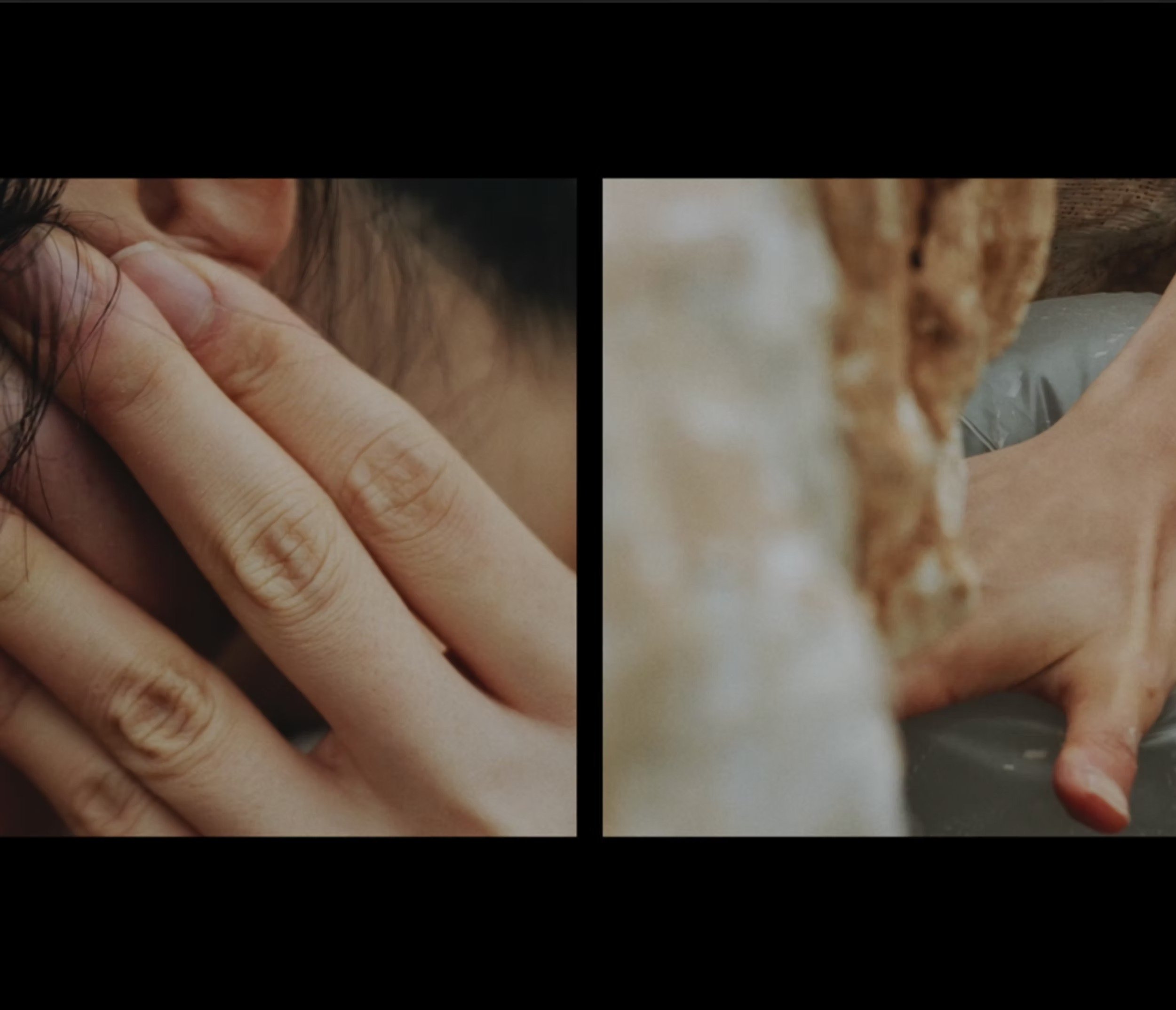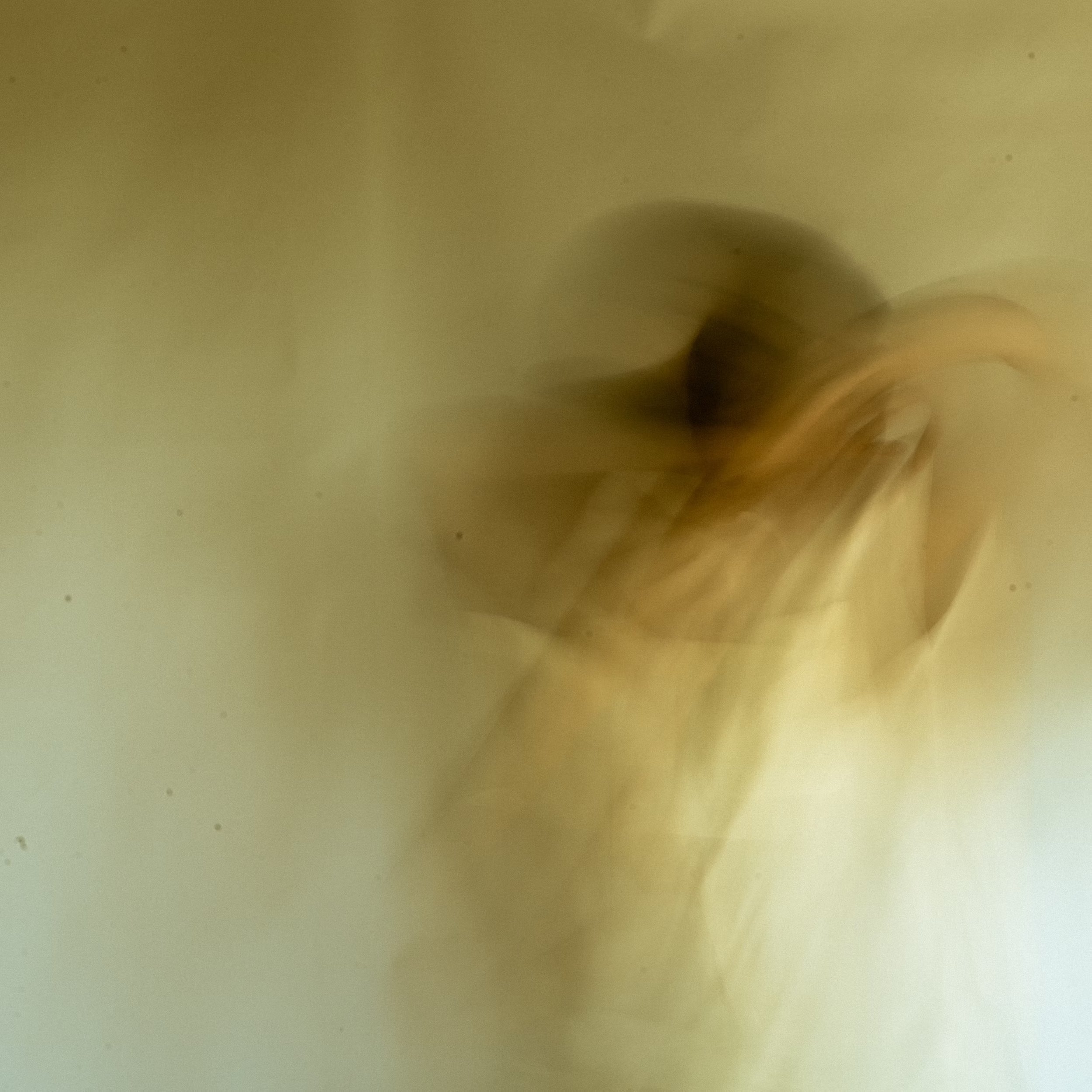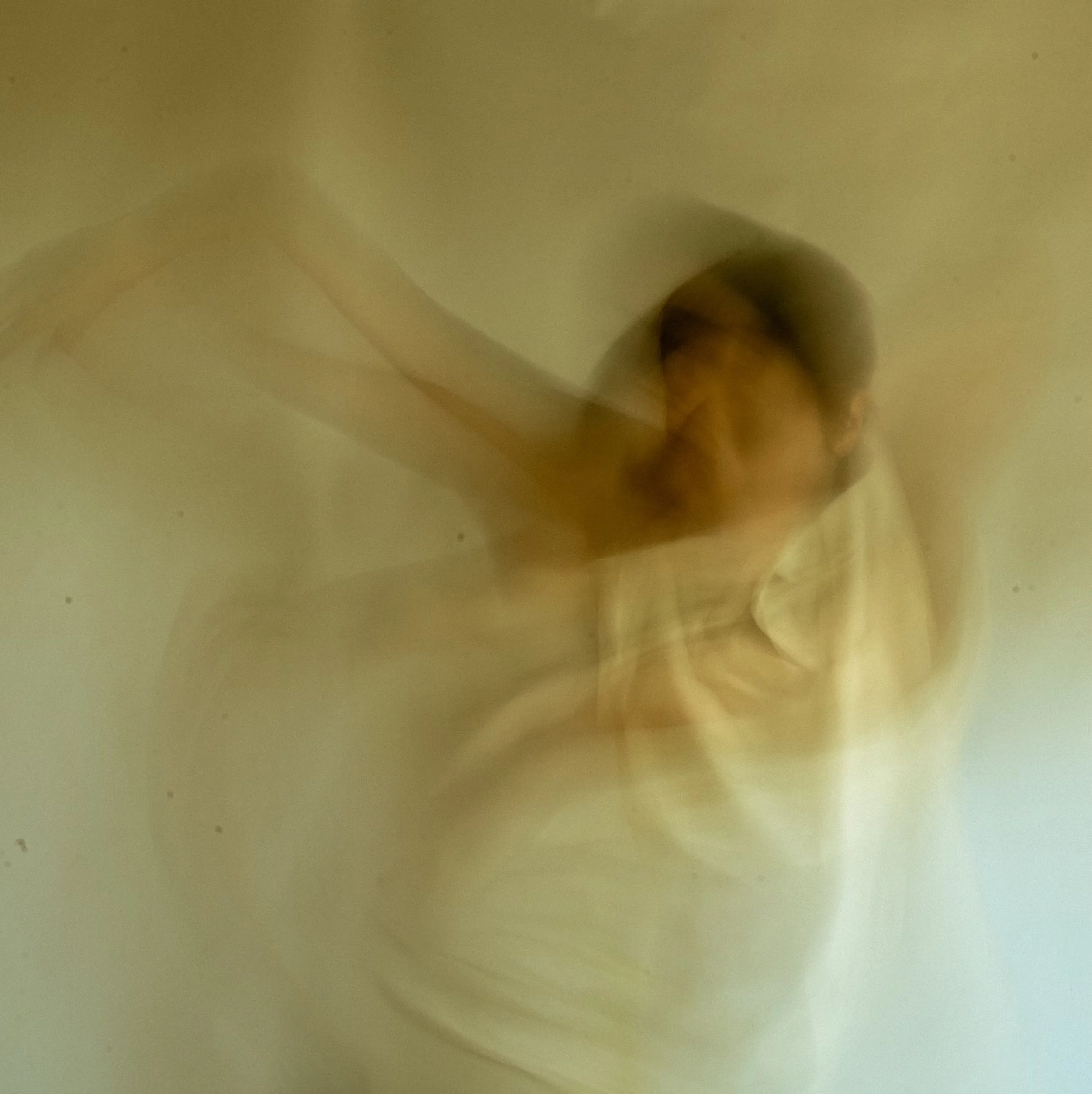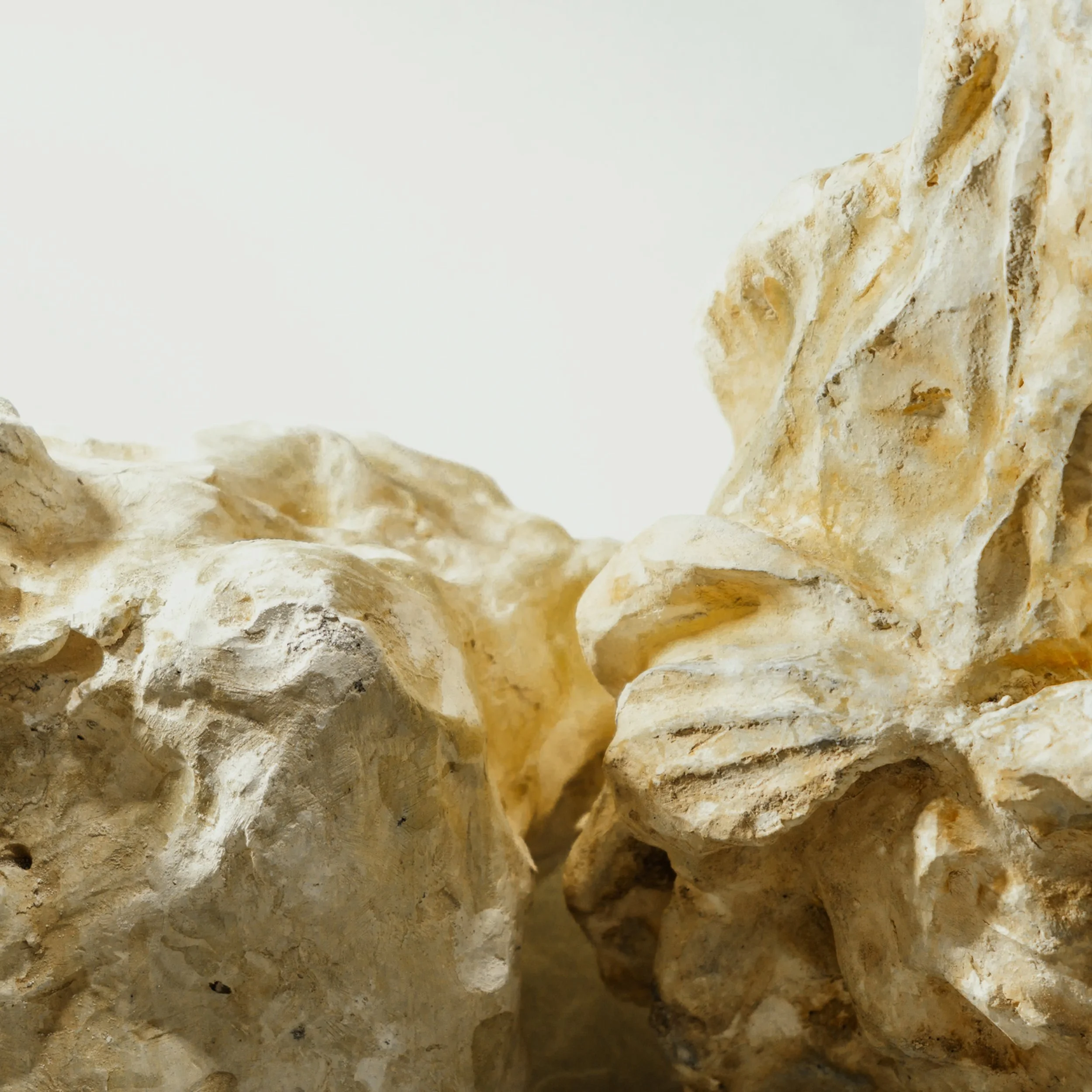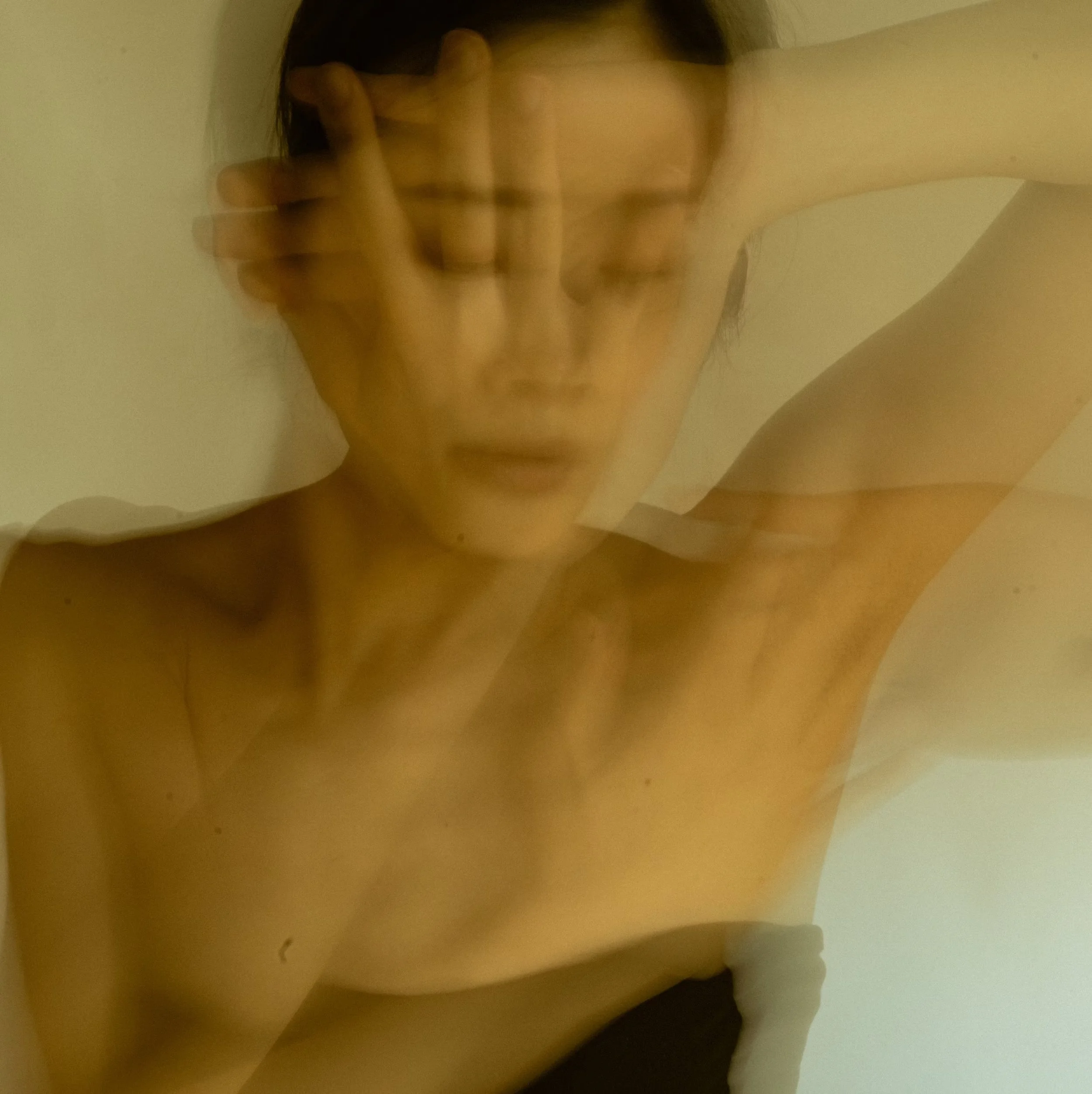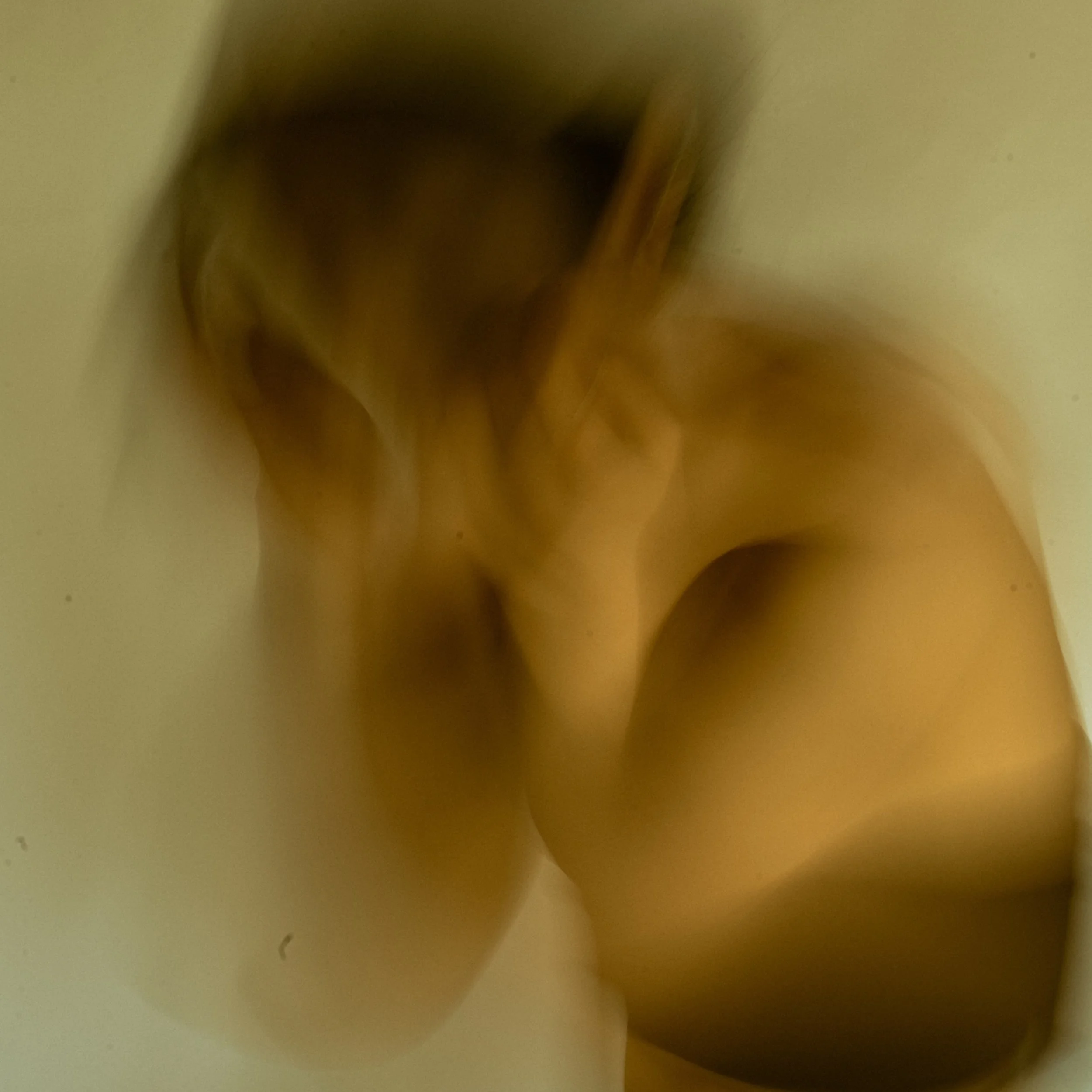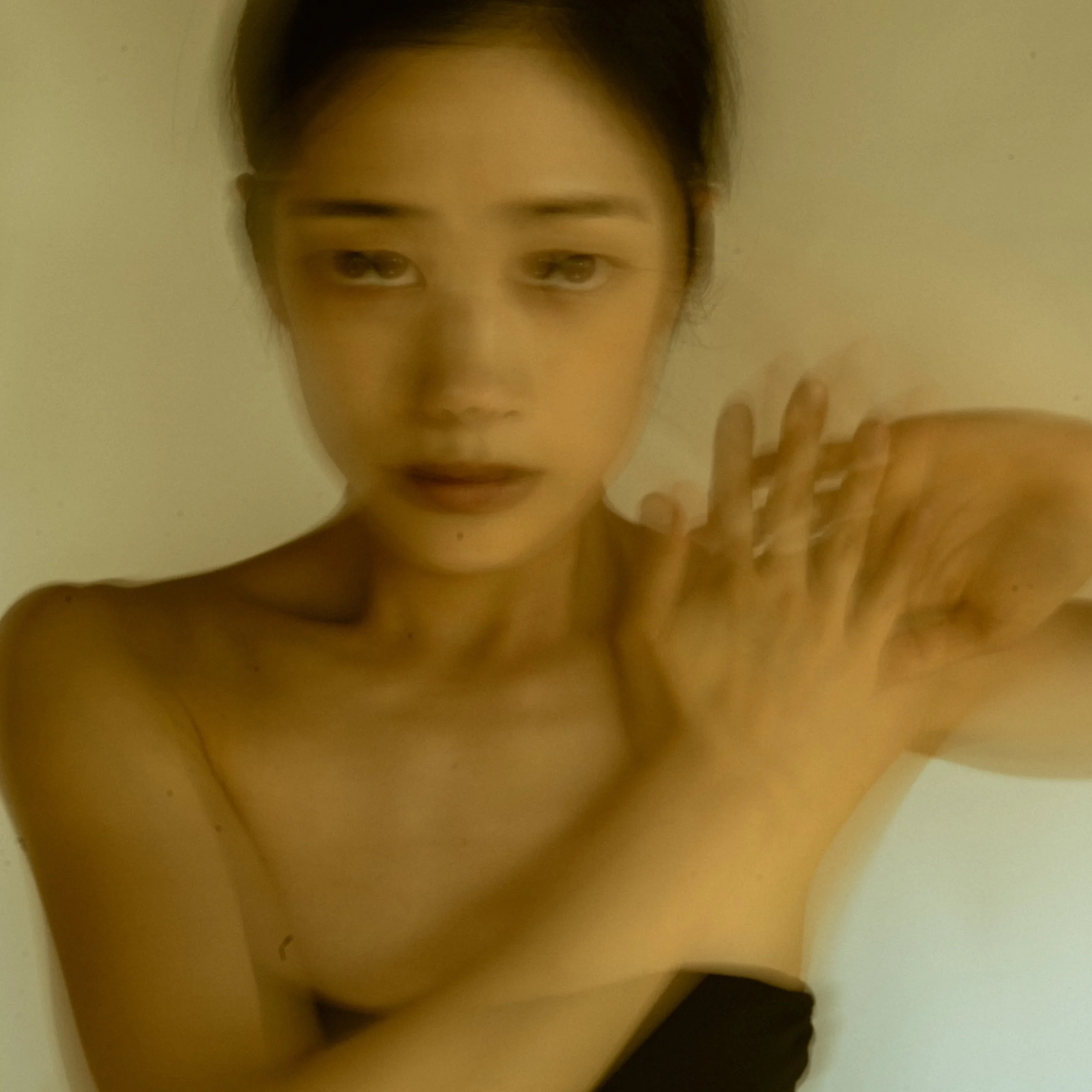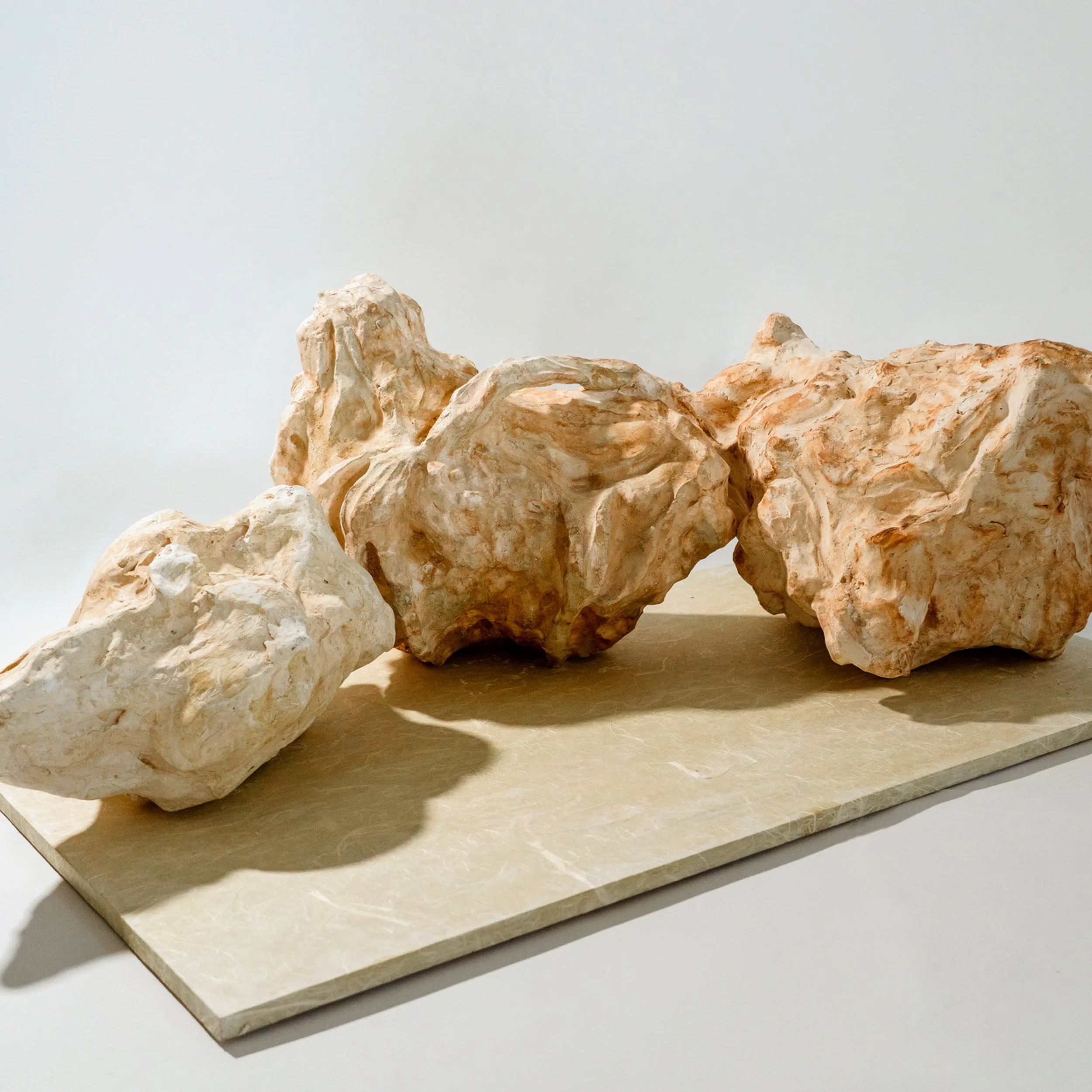
Dohee Park’s Carving Air translates repetitive anxiety into sculptural choreography. Breath becomes a material, guiding forms that tighten, crack, and rebound. Hairline fractures mark where comfort rituals wound. Hidden elastic mechanisms restore balance, while external frameworks stay precarious. Created with movement artist Donna Kim, each gesture makes the invisible legible.
Carving Air
“Breath, fracture, and recovery: sculpting anxiety into temporary air structures”
Feb 12, 2026
Art
Connetion : +421114
Shares : 65245
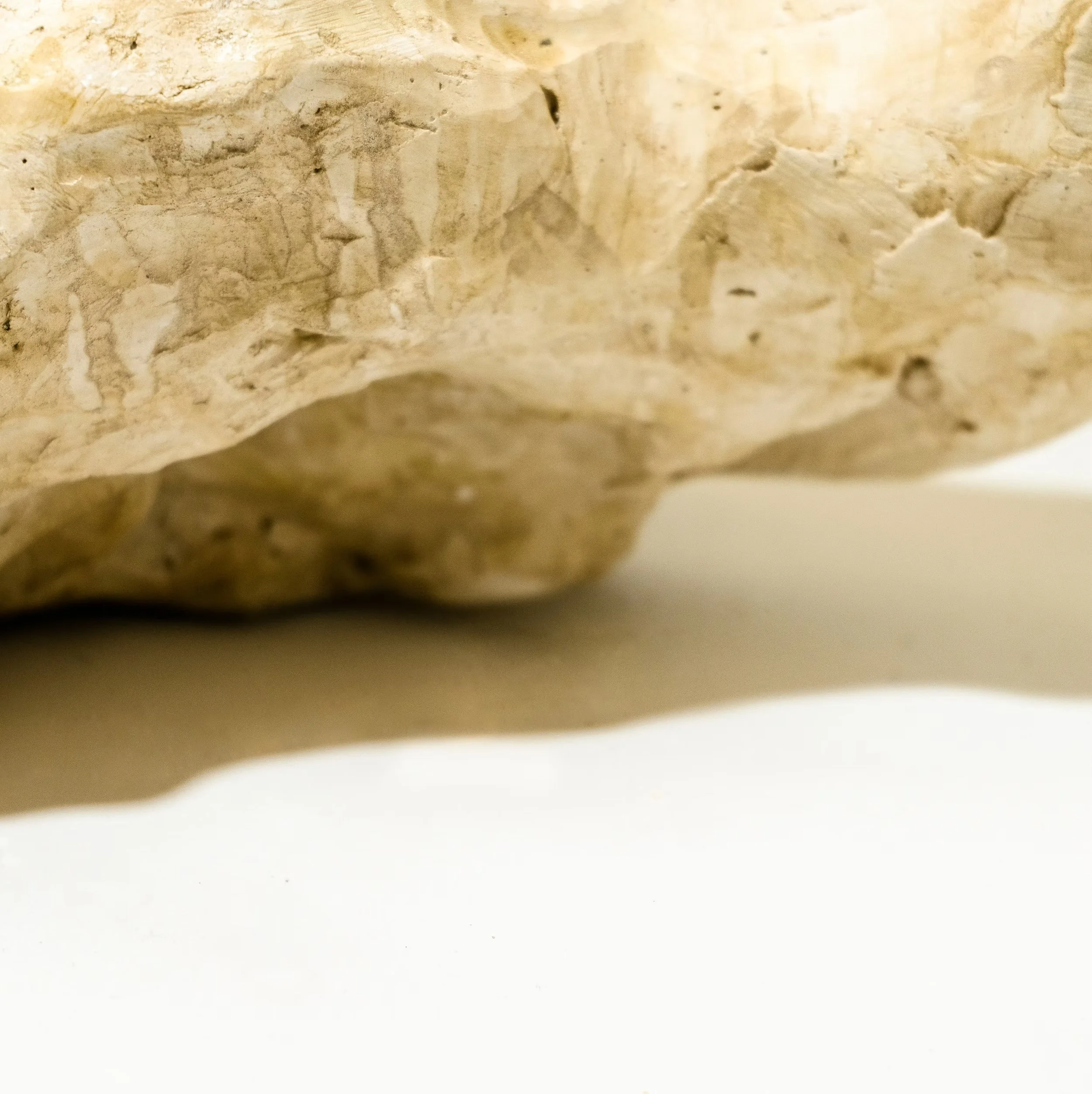
From across the room, the sculptures read like compact weather systems: pale volumes holding their breath, edges taut under a quiet sheen. Light skims along seams and catches on tiny breaks, as if the surface has learned to flinch. Air thickens at their perimeter, a boundary sensed before it is touched. Looking from afar, the mechanisms appear calm, almost resolved. Looking up close, the skin reveals hairline fractures and rubbed patches, intimate as a bitten nail. The encounter names a dialectic: control meeting the unknown. This is not comfort or collapse, but comfort and collapse mutually generating each other. Park frames anxiety as a choreography that never stops returning; he argues that…
Carving Air begins with breath as an invisible material that can be pressed into form. The project’s matter is modest but charged: plaster, natural residues, and a light armature built to bear repetition without pretending to be stable. Park and movement artist Donna Kim started by interviewing each other, then letting sketches, gestures, and sculptural tests loop into one another until breath became a spatial tool. The method is iterative and bodily—inhale, brace, release—so the work records not a single emotion, but the accumulation of returns. Each surface is worked to look both cared-for and injured: polishing becomes abrasion, repair becomes exposure, and the sculpture’s calm geometry keeps reopening into a breathy, unsettled present.
In space, the forms behave like nervous habits given volume. They tighten, hesitate, and reset, holding a crack as proof rather than a flaw. Inside, resilient structures pull the sculpture back toward an earlier state, as if a system were searching for a baseline. Outside, seemingly solid components stay precarious, making instability part of the display rather than something to hide. The gallery description sharpens the project’s logic—breath as medium, body as instrument, recovery as a repeated passage rather than a cure.
For the viewer, the work demands a changed tempo. Approaching becomes a kind of participation: the body mirrors the sculpture’s cycle, testing how much control is possible before the unknown arrives anyway. The project does not aestheticise anxiety; it shows how soothing rituals can deepen wounds, and how repair still leaves a trace. In the end, Carving Air returns its argument to a tangible register—light snagging on a hairline fracture, and the thin boundary of air around it.
Dohee Park
Dohee Park is a London-based visual artist whose practice moves between sculpture, installation, film, and live performance, treating space as a psychological instrument. Trained in set and performance design, Park brings cinematic thinking to objects: mise-en-scène becomes a way to stage memory, emotion, and the body’s thresholds. It develops the context: in a 4482 interview, Park describes shifting from collaborative production worlds toward abstraction and personal narrative, building works through research, conversation, movement, and material trials that foreground process as content.
Park studied at Central Saint Martins, where she developed a multidisciplinary approach to spatial storytelling. Park continues to treat making as a sequence of translations—story to gesture, gesture to surface, surface to atmosphere. Recent projects, including Territory of the Unsaid and the collaborative Carving Air with movement artist Donna Kim, explore how the invisible—breath, anxiety, inherited recollection—can acquire weight. In Park’s hands, plaster is not simply solid; it is a responsive archive that can be cast, carved, broken, and repaired, holding fragility alongside endurance.
Park’s work resists neat categories, favouring hybrid formats where an object can operate as a prop, a sculpture, and a score for movement at once. Viewers are invited to notice the journey rather than the finish: seams, fractures, and revisions remain visible, turning vulnerability into structure. Across media, Park returns to one question—how a body shapes space, and how space, in turn, shapes what a body is able to say.
London-based visual Artist, Central Saint Martins
@do.glet
@doheepark_